
“The effect on apparel retailers should be significant.”
In the UK, 42% of GLP-1 users spend more on clothes, especially activewear for the gym, and occasion wear – dressing up for a party or formal event like a wedding, according to PwC.
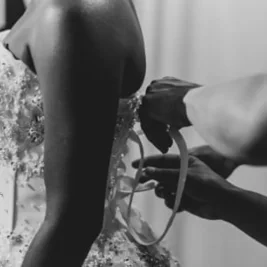
Jacqueline Windsor, the consultancy’s UK head of retail, says people want fit flexibility, a “transition wardrobe” and have become “body proud” – opting for more tailored clothes to show off their new size and shape.
Shapewear could become more popular for people who lose weight quickly, leading to sagging areas and loose skin.
Beauty and hair brands have introduced new ranges specifically for GLP-1 users to combat a gaunt-looking “Ozempic face” and thinning hair.
Anne Critchlow, analyst at Berenberg bank, suggests there is no coincidence in the shift from the baggy and boxy fashion shapes of the Covid and post-pandemic years towards a more body-conscious, nipped-in, structured silhouette.
Berenberg analysts estimate a 1% boost to the overall UK clothing market from GLP-1s in each of the next three years, with mid-market retailers like M&S, Next, and Zara set to benefit most.
The Decline of the Plus-Size Market
Meanwhile, items marketed to the larger shopper have been hit.
Simon Wolfson, the chief executive of Next, has told analysts that its sales of very large sizes have fallen, while plus-size retailers on both sides of the Atlantic have reported sharp declines.
At M&S, in some womenswear categories, such as jeans, 65% of sales now come from the smaller sizes (6-12), whereas historically it was only 40%, partly because the retailer wants to appeal to younger shoppers.