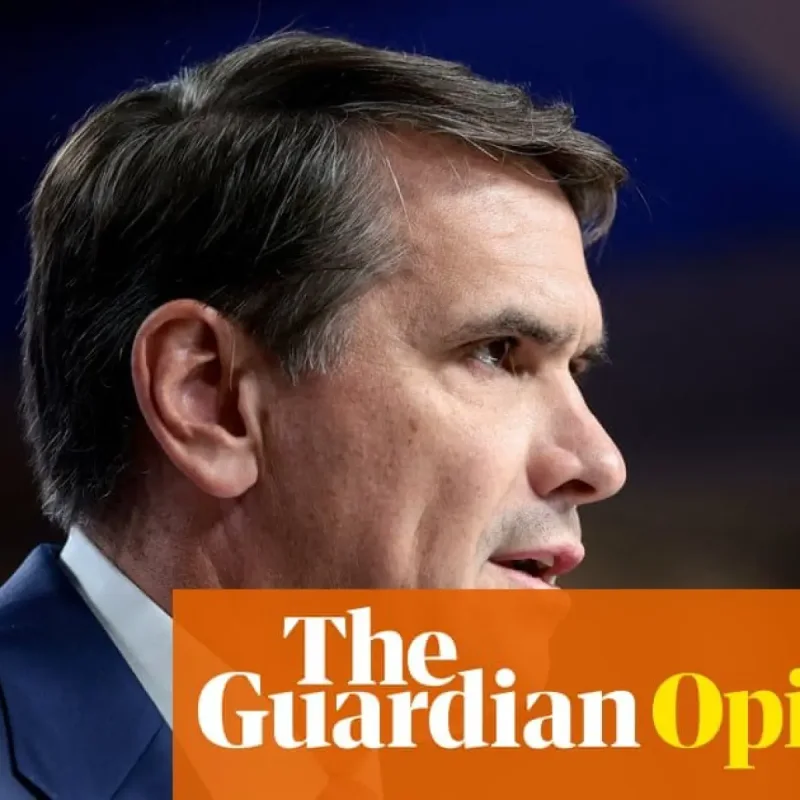
Blanche has been a key proponent of vindictive investigations, including the prosecution of Kilmar Ábrego Garcia, the investigation of former CIA Director John Brennan, and the prosecution of former FBI Director James Comey.
Conflicts of Interest and Senate Responsibility
Blanche's many conflicts of interest from his role as private attorney for the president stand out as particularly consequential.
There should be a strong presumption that any private attorney for the president must be disqualified from serving as the country's chief law-enforcement officer.
Trump chose Blanche for the job because of his conflicts, not despite them.
Trump appears to require only that cabinet members engage in rank partisan behavior to benefit him.
>>> It’s the hope that kills you – so fingers crossed for Andy Burnham
During Blanche's confirmation hearing for deputy attorney general, Senator Adam Schiff questioned his conflicts.
Blanche accepted that oversight of the weaponization working group could constitute a conflict but refused to call it “blatant.”
He rejected the abstract statement that he should recuse himself from matters involving the president's interests if he had served as Trump's attorney on that matter.
Blanche did not commit to recusal but said he would follow the advice of career ethics attorneys.
As Schiff suggested, Blanche could secure a sign-off from a DOJ attorney he oversees.
The Senate's advice and consent process should filter out nominees lacking impartiality. This is critical for the attorney general, whose role impacts US democracy profoundly.
Prior misuse of the Justice Department includes Attorney General John Ashcroft's support for enhanced interrogation and Attorney General Bill Barr's handling of the Mueller Report.