
Six Reasons Sniper Butterfly Becomes a Must-Watch Second-Chance Age Gap Romance
Sniper Butterfly--
The Chinese drama Sniper Butterfly blends a second-chance love story with a rare age-gap dynamic, creating a romance that feels both intimate and emotionally grounded. Anchored by performances from Michelle Chen and Daniel Zhou, the series explores how timing, personal growth, and lingering memories shape the path back to love.
Through a layered narrative that moves between past and present, the drama gradually reveals the history between its central characters. The storytelling approach gives every reunion and conflict a deeper emotional resonance.
A Second-Chance Romance With Emotional Weight
The series unfolds across two timelines, shifting between 2013 and the present day. This structure allows viewers to witness how the relationship between Cen Jin and Li Wu began and how unresolved emotions resurface years later.
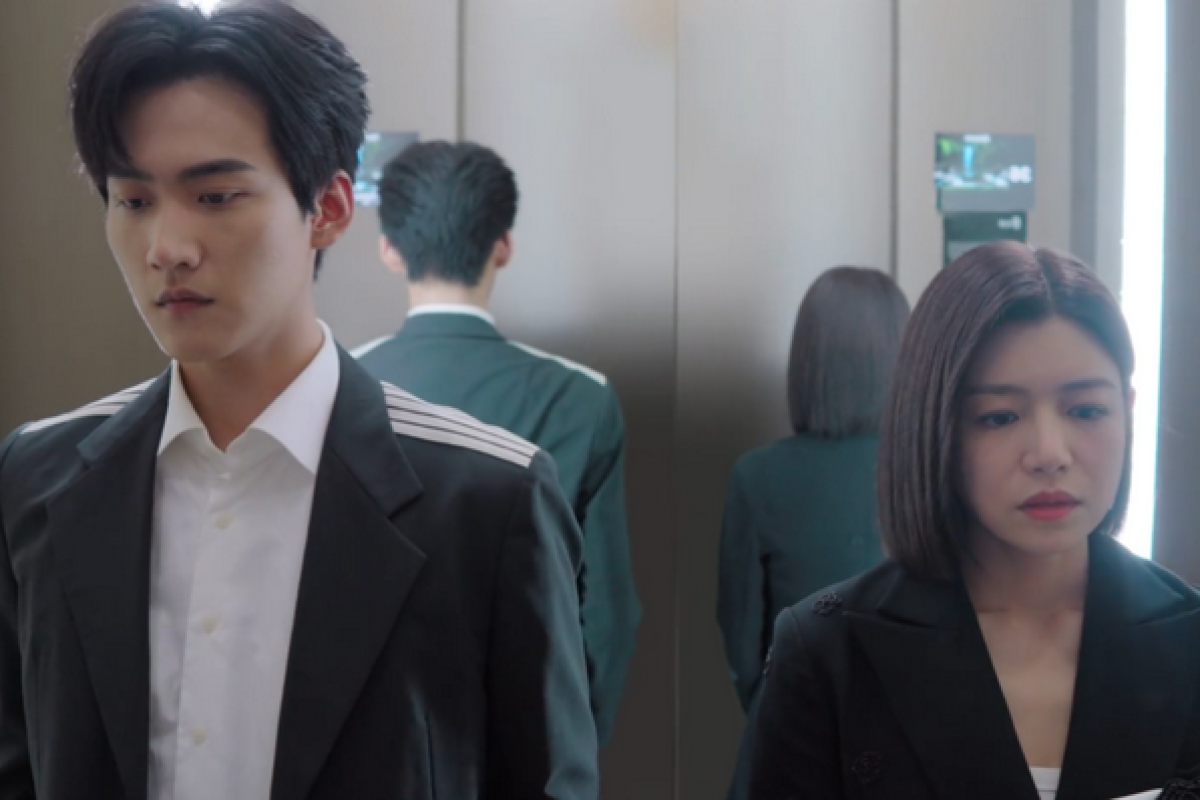
In the present timeline, Cen Jin’s company collaborates with a startup led by Li Wu. Their first encounter after years apart is tense and restrained, hinting at a complicated past. As the narrative moves back to 2013, the story reveals how their bond first formed.
At the time, Cen Jin was facing the collapse of her marriage. Li Wu, still a high school student, struggled to pursue his academic ambitions without family support. Their connection began during this difficult period, laying the foundation for a relationship shaped by vulnerability and trust.
A Rare Age-Gap Dynamic

Unlike many romance dramas that pair older men with younger women, Sniper Butterfly reverses the formula. Cen Jin is ten years older than Li Wu, a difference that influences both their early connection and their later reunion.
Cen Jin approaches life with composure shaped by experience, while Li Wu embodies youthful determination and sincerity. The contrast highlights how individuals at different stages of life navigate uncertainty, ambition, and emotional attachment.
The drama treats the age difference thoughtfully, focusing on the characters’ emotional needs rather than sensationalizing the situation.
Chemistry That Feels Natural
Michelle Chen and Daniel Zhou bring subtle intensity to their roles, creating a believable connection between Cen Jin and Li Wu.
Michelle Chen portrays Cen Jin with quiet restraint, capturing the inner conflict of a woman trying to maintain composure while confronting unresolved feelings. Daniel Zhou balances vulnerability and determination, portraying Li Wu as both idealistic and sincere.
Their interactions rely on understated moments—glances, pauses, and small gestures—that reveal the depth of their shared history.
Meaningful Character Growth
The drama also focuses on how both characters evolve over time. Li Wu begins as a hesitant student who lacks the resources to pursue his potential. Over the years, he gradually becomes a confident entrepreneur leading a successful technology startup.
Cen Jin undergoes her own transformation. After confronting the reality of her failing marriage, she learns to reclaim independence and redefine her priorities.
By the time their paths cross again, both characters have matured, making their renewed connection feel natural rather than nostalgic.
Mature Themes and Emotional Complexity
Beyond romance, Sniper Butterfly examines themes such as regret, divorce, social expectations, and the weight of past decisions. These elements give the story a grounded tone rarely seen in lighter romantic dramas.
Conflicts are not resolved instantly. Instead, the narrative allows space for hesitation, self-reflection, and emotional consequences.
This careful pacing reinforces the idea that meaningful relationships require both emotional readiness and the right moment.
Performances That Anchor the Story
The drama’s emotional depth is strengthened by its performances. Michelle Chen portrays Cen Jin as a woman who has learned to protect herself emotionally while still longing for genuine connection.
Daniel Zhou convincingly presents two stages of Li Wu’s life. In earlier scenes set in 2013, he captures the awkwardness and vulnerability of youth. In the present timeline, he transitions into a composed and determined adult.
The contrast between these versions of Li Wu highlights how time and experience shape identity, reinforcing the drama’s central theme of growth.
With its layered storytelling, thoughtful exploration of relationships, and compelling performances, Sniper Butterfly stands out as a romance that balances emotional realism with heartfelt storytelling.