A single teaspoon of seawater contains about 50 million viruses on average, a discovery made during Craig Venter's global DNA mapping voyage.
These viruses are parasites, relying entirely on other organisms to survive.
Multicellular life creates comfortable internal environments that evolution has filled with various hitchhikers, occupying the outside or inside of host cells.
While killing a host forces a parasite to find a new home, many species come dangerously close to doing so, causing widespread illnesses in developing nations.
From Lyrical Prose to Taxonomic Catalog
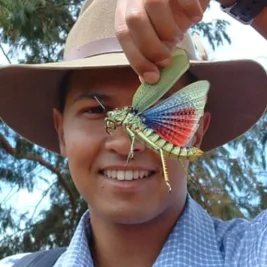
Author Dino Martins compiles these organisms in his book, creating a detailed guide to the harmless and lethal creatures targeting warm-blooded hosts.
The book operates across four narrative approaches, beginning with lyrical descriptions of the natural world written by an observer deeply enamored with his subjects.
This vivid prose extends even to unsettling scenes, such as a rotting elephant carcass in Kenya being actively dissolved by waves of heat and maggots.
Martins engages directly with his research, physically examining the decaying flesh to collect samples while noting the intense odor.
The narrative shifts from descriptive prose to a strict taxonomic catalog, listing the specific genera and orders of the organisms involved.
The Horrifying Lifecycle of Eye Worms
One notable section documents the lifecycle of eye worms, which reside inside the eye sockets, conjunctiva, eyelids, and tear glands of hosts.
Female worms produce larvae that enter the tears, which are then consumed by passing flies drawn to the moisture.
Inside the insect, the larvae travel from the digestive tract to the reproductive organs before migrating to the head to await transmission.
When the fly feeds on another animal's eye, the larvae escape into the new host, restarting the biological cycle.
Balancing Eradication and Scientific Awe
Martins occasionally advocates for the total eradication of these creatures due to the severe debilitation and misery they inflict on millions.
However, the text balances these grim realities with lighthearted field anecdotes from Kenya, alongside interactions involving local farmers and students.
Modern zoology requires scientists to master multiple disciplines to interpret the complexities of the living world effectively.
Ultimately, the multidisciplinary text leaves readers balancing deep revulsion for these organisms with absolute awe regarding the sheer diversity of nature.