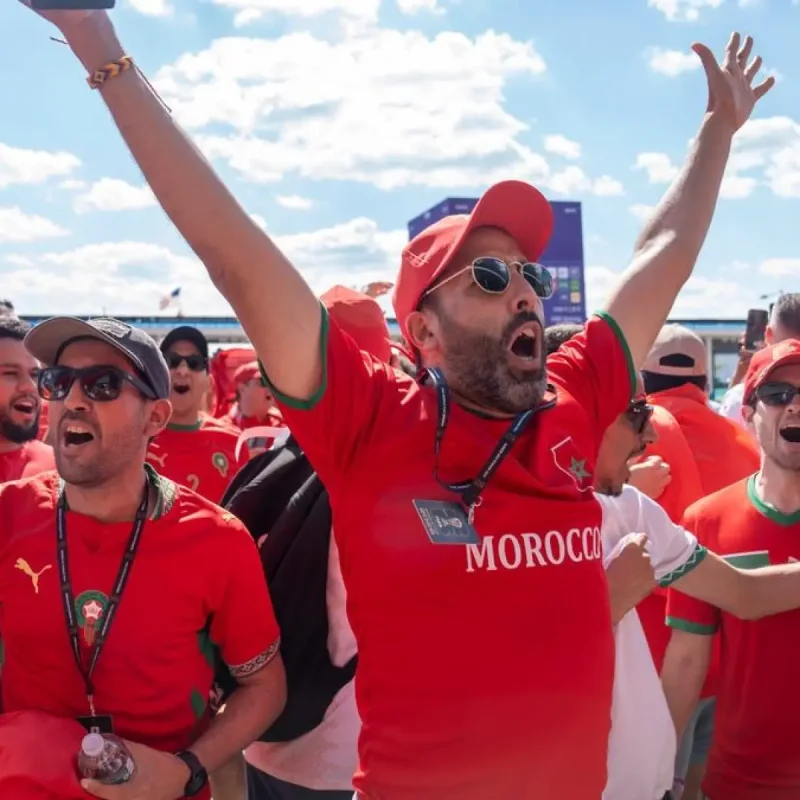
Scotland will face Morocco in a crucial 2026 FIFA World Cup Group C match on Friday, June 19, at Gillette Stadium in Foxborough, Massachusetts.
The fixture marks a significant milestone for the non-sovereign nation.
A research paper by sports law expert Roddy Cairns from the University of Strathclyde highlights that Scotland is one of only four teams at the 2026 World Cup that are not independent sovereign states.
The study, published in the International Sports Law Journal, notes that FIFA generally mandates membership for recognized independent countries, but the UK Home Nations remain exempt due to competing in the world's first international match in 1872.
Historic Context and Group Dynamics
The match holds historic weight, as Morocco eliminated Scotland from their last World Cup appearance with a 3-0 victory in Saint-Etienne during the 1998 tournament.
Both nations opened their Group C campaigns on Saturday, June 13, with Morocco earning a 1-1 draw against Brazil at MetLife Stadium, while Scotland played Haiti.
Cairns' research highlights that other non-sovereign territories, such as Greenland, have had applications rejected by continental governing bodies like CONCACAF under stricter modern membership rules.
“The position of non-sovereign nations in international sport has long been of interest to both scholars and fans,” said Cairns, a Teaching Fellow in Strathclyde Law School.
He noted that sporting organizations frequently recognize regional identities in ways that deviate significantly from standard international law definitions.
“There is a clear disparity between the number of nations recognised by the United Nations and the number recognised by sporting governing bodies such as FIFA or the International Olympic Committee,” Cairns added.
The academic explained that recent regulatory changes have restricted newer non-sovereign applicants from gaining similar entry.
“Changes to FIFA and continental membership rules since the turn of the millennium have made it increasingly difficult, and in some cases impossible, for non-sovereign nations to gain international recognition through football,” Cairns said.
Managerial Changes and Team Preparations
Ahead of the tournament, managerial changes have shaped both teams. Mohamed Ouahbi took over the Moroccan senior squad in March 2026 after Walid Regragui stepped down.
Ouahbi expressed confidence ahead of their opening match against Brazil.
“It’s a match that will tell us where we stand, but I think we’re in a good place to start this competition,” he said.
Ouahbi stressed that his squad possessed the necessary quality to compete without intimidation. “We’ve got to be confident in ourselves and what we’ve done,” he said.
The manager noted that the historical reputation of an opponent should not alter his team's tactical focus. “We shouldn’t fear Brazil but treat them with respect,” Ouahbi added.
Brazil's manager Carlo Ancelotti acknowledged the strength of the African champions before their 1-1 draw. “Don’t forget, tomorrow we are facing the champions of Africa, Morocco,” he said.
Ancelotti highlighted that Morocco features elite players who regularly compete at the highest club levels in Europe. “They’re a great team,” he said.
On the Scottish side, manager Steve Clarke dismissed fitness concerns regarding midfielder Scott McTominay ahead of the opening games.
“Scott is fine now,” Clarke said. Scotland captain Andy Robertson reflected on the significance of returning to the tournament after a 28-year absence.
“I didn’t want anything overhanging me in the World Cup,” Robertson said.
Robertson expressed satisfaction with resolving his club future before shifting his full focus to the national team.
“I’m very happy that’s been resolved and very happy with me going to Tottenham, but I’ve not given it too much thought this week,” he said.
The captain credited the collective effort of the squad for consistently earning spots in major international competitions.
Following their opening matches on June 13, both Scotland and Morocco will travel to Foxborough for their second group stage fixture on June 19, before concluding the round-robin stage on June 24 against Brazil and Haiti respectively.