Food banks across the United States are straining to meet rising demand as federal food supplies shrink, eligibility rules tighten and transportation costs climb.
An NBC News survey of 48 of the largest food banks in 35 states and Washington, D. C.
, found that nearly three-quarters saw more visitors over the previous year.
More than 80% reported receiving less food or funding through the U. S.
Department of Agriculture and struggling with higher fuel costs.
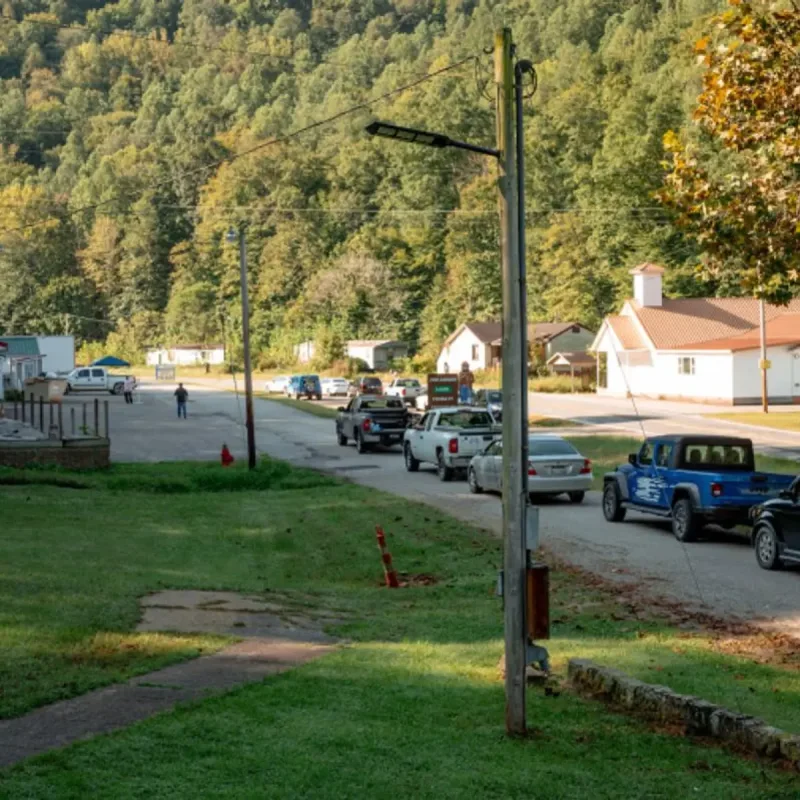
In Dunlow, West Virginia, Bill Likens and other volunteers distribute limited supplies to families who sometimes drive more than 30 miles for groceries.
Facing Hunger Foodbank, which supplies Likens' pantry and other distribution centers across Appalachia, reported a 25% increase in people seeking assistance over the past year.
Its chief executive, Cyndi Kirkhart, said federal food supplies had declined by a third during the same period.
At the Dunlow pantry, Likens, 51, must calculate how to divide incoming shipments of eggs, potatoes and other groceries among a long queue of waiting vehicles.
The community outreach director at Cabwaylingo Presbyterian Chapel said limited inventory makes it difficult to guarantee that everyone receives food.
"There's a decent chance we could run out," said Likens, who runs the pantry.
He said the possibility of exhausting supplies weighs heavily on him because families can spend hours waiting in line, often with their engines switched off to conserve fuel.
"I don't want them to sit in that line and not get anything," Likens said.
The pantry has little room to increase distributions when deliveries fall short of demand.
"But I don't have a lot of extra food these days," Likens said.
Federal Reductions and SNAP Changes
The shortages reflect pressures affecting food assistance organizations nationwide.
NBC News reported that federal reductions began early in President Donald Trump's second term, when officials cut a $400 million pandemic-era program that supplied food banks with products from local farmers and paused an estimated $500 million in additional planned USDA food purchases.
Congressional funding for a separate, longstanding emergency food assistance program has increased over several years.
However, food bank leaders said their overall federal support remained below levels available during the Biden administration.
The administration's new restrictions on the Supplemental Nutrition Assistance Program, commonly known as SNAP, have added pressure.
Under the law, nearly all able-bodied adults who are not caring for young children must work, volunteer or attend school for at least 80 hours per month to qualify for benefits.
Since the law took effect, more than 5 million people, including at least 1 million children, have lost food benefits, according to the figures cited by NBC News.
In West Virginia, the state Department of Human Services reported that approximately 24,000 people, including 8,000 children, had lost SNAP benefits since the previous summer.
West Virginia's economic challenges compound the impact.
In communities affected by the decline of coal mining, residents may face a 45-minute drive to the nearest grocery store, costing more than $15 in fuel as transportation expenses rise.
Food bank leaders say higher household expenses are also making nutritious meals harder to afford.
Poonam Gupta, a senior research associate at the Urban Institute, described the cumulative financial pressure on families.
"People are facing multiple hits to their budgets," Gupta said.
She said rising costs make it increasingly difficult for households to maintain a balanced diet while managing competing expenses.
"It is really difficult to find a way to continue affording a healthy and nutritious and balanced diet when you just have these constant hits," Gupta said.
Rationing Spreads Beyond West Virginia
Shortages are affecting distribution practices beyond West Virginia.
In Maine, Good Shepherd Food Bank said its USDA food allocation fell from 13 million pounds to 9 million pounds in one year.
In Michigan, Forgotten Harvest has reduced the quantities distributed to preserve supplies, providing one bag of potatoes instead of two and two tubs of yogurt rather than six.
Other food banks face similar constraints.
Organizations in North Dakota have received urgent calls from anti-hunger groups with nearly empty shelves, while rising diesel expenses in Oregon have left less money available to purchase food.
In Maine, some distribution centers have limited visits and rationed milk, meat and produce.
White House spokesperson Anna Kelly defended the administration's approach, saying its policies aim to improve Americans' financial circumstances through tax cuts, job creation and business investment.
"President Trump is strengthening SNAP for the Americans who need it by ensuring these programs are sustainable for future generations," Kelly said, citing efforts to "crack down on waste, fraud and abuse."
The USDA disputed claims that it had reduced the amount of food it provides.
A department spokesperson said the agency continues to fund nutrition assistance for low-income communities, schoolchildren, older adults and people with disabilities.
"Every day, the Food and Nutrition Administration invests $340 million in low-income communities and people in need of nutrition assistance, including millions of school children, elderly, and the disabled," the spokesperson said.
The department maintained that its assistance mission remains unchanged.
"The mission to help those in need has not changed," the spokesperson said.
Kirkhart said food banks appreciate available assistance but are struggling to cover expanding needs with fewer resources.
She compared the current pressure to the pandemic, when food insecurity surged and emergency organizations faced exceptional demand.
"It's like the pandemic on steroids without funds," Kirkhart said.
She argued that communities should not be expected to absorb growing food assistance needs without adequate support.
"I don't believe the government needs to provide everything, but if you're going to ask us to, please help," Kirkhart said.