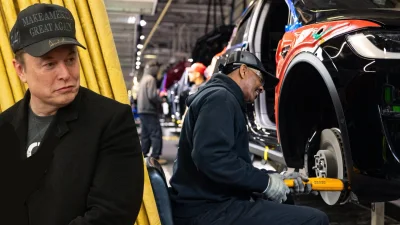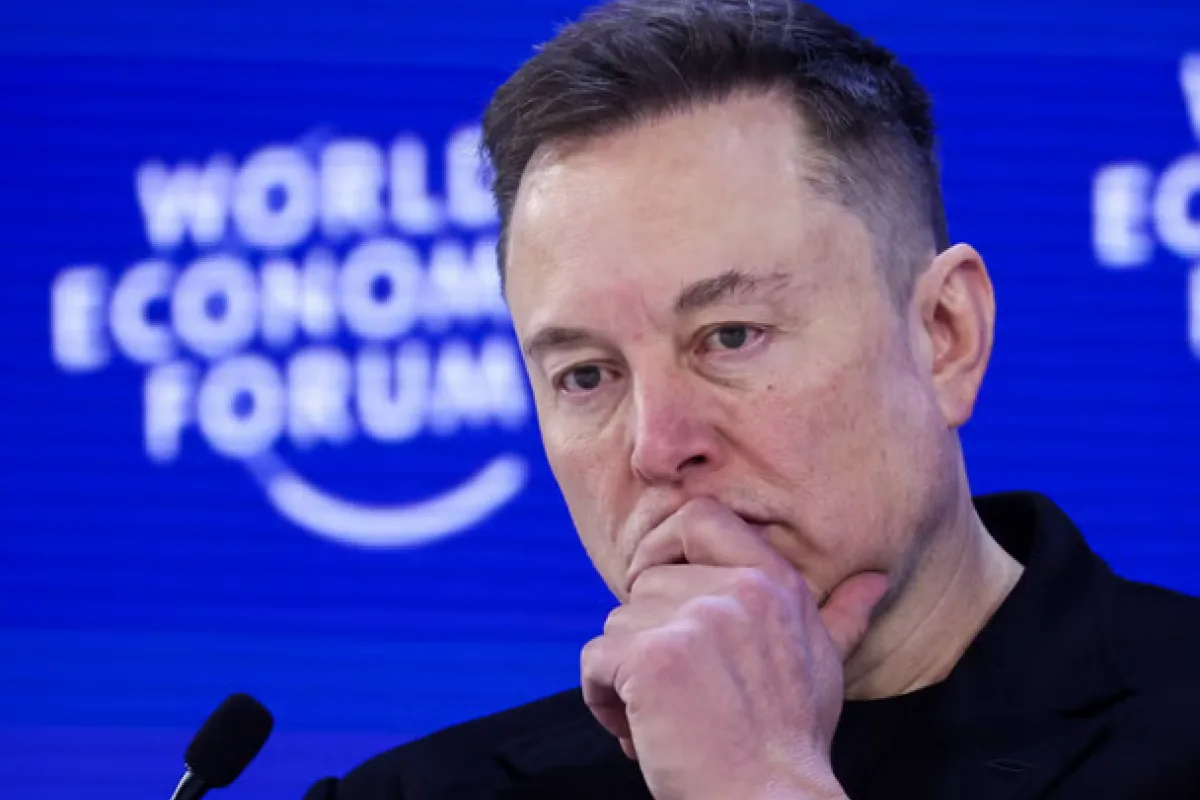
That issue is resurfacing as Musk expands his footprint in artificial intelligence.
Tesla investors monitor spillover risks
While Tesla is not directly involved in the Cursor deal, investors are watching closely for indirect effects.
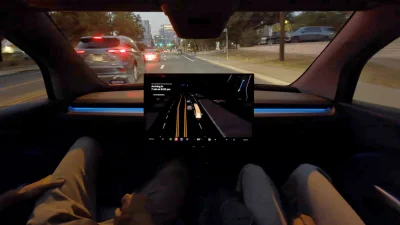
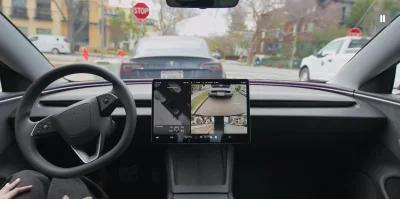
The company is already planning to increase capital spending beyond $25 billion in 2026, focusing on AI systems, robotaxis, and humanoid robotics. The outlook includes expectations of negative free cash flow during that period.
At the same time, shareholders have previously been asked to consider potential investments tied to xAI, adding to concerns about overlapping commitments. :contentReference[oaicite:0]{index=0}
Debate centers on risk versus long-term payoff
Supporters of the strategy point to the strategic importance of AI development, particularly in software tools used by developers.
Combining Cursor’s platform with large-scale computing resources could strengthen Musk’s position against established competitors in the sector.
Critics, however, focus on several key risks tied to the deal’s size and structure.
- Valuation risk tied to the sharp increase from prior funding rounds
- Execution risk as the partnership’s benefits remain unproven
- Governance concerns linked to overlapping company interests
- Potential pressure on Tesla if broader investments weigh on investor confidence
The outcome will likely shape how markets assess Musk’s next phase of expansion in artificial intelligence.
If the strategy delivers results, the deal could reinforce his track record of high-impact bets. If it falls short, attention may shift quickly to the cost and complexity behind it.