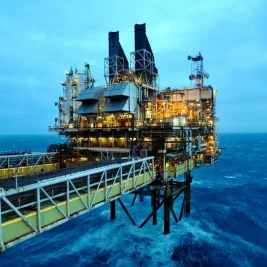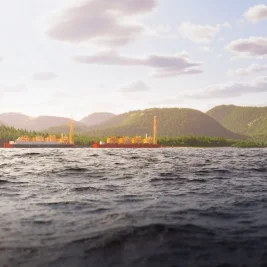
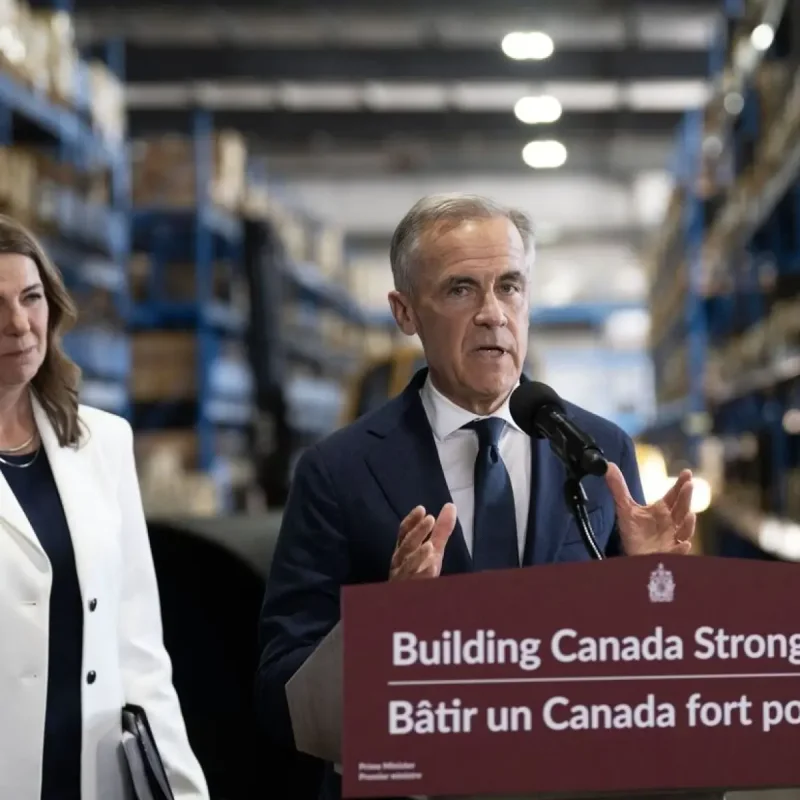
Financial experts point out that additional pipeline capacity is a prerequisite for renewing capital spending.
Mark Parsons, chief economist at ATB Financial, explained that despite multi-billion dollar export growth recorded in 2025, financial models require firmer commitments.
"We just want to see a little bit more certainty that this is indeed going ahead," said Parsons.
He emphasized that the oil and gas sector needs new infrastructure to break a decade-long stagnation in greenfield expansions.
"The reason this is so important is because, for the oil and gas industry to get that next leg of growth, they need new pipeline capacity," said Parsons.
Analysts questioned whether high construction costs might translate into expensive shipping tolls that could deter private energy producers.
"If that is the case, then you won't get shippers to sign up for that. It's not competitive," said Richard Masson, industry consultant.
Public policy researchers suggested that government involvement could mitigate these risks.
"It makes sense for government to make the real money off the taxes and the royalties," said Heather Exner-Pirot, senior fellow at the Macdonald-Laurier Institute.
The senior fellow expressed surprise at the sudden alignment between federal and provincial leadership.
"It was so improbable that we could find a middle ground on a pipeline in Canada. You would never have thought it possible two years ago," said Exner-Pirot.
Market intelligence analysts concluded that securing long-term commitments from commercial oil producers represents the final major barrier.
>>> Experts Reveal How to Start Volunteering and Overcome Time Misconceptions
"You need the oil to flow and producers to kind of get behind it. So that's kind of the last major hurdle," said Kyle Bertamini, analyst at Enverus.