
Conversely, advocacy groups criticized the swift implementation of the grooming mandate, arguing that discharging trained service members for a treatable medical condition undermines diversity and retention during active global conflicts.
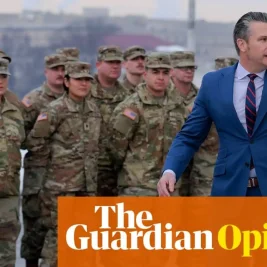
"No more beardos," Hegseth said in a speech to hundreds of top military officers.
The defense secretary publicly defended the restrictions by characterizing long-standing shaving profiles as detrimental to military uniformity.
"The era of rampant and ridiculous shaving profiles is done," Hegseth said.
Veterans organizations stated that the strict timeline disproportionately penalizes minority troops who had been receiving adequate, long-term dermatological care from military medical facilities.
"Allows for an environment of hostility to our Black troops in uniform in part because it opens them up to greater harassment from their senior enlisted," said Richard Brookshire, co-founder of the nonprofit Black Veterans Project.
Brookshire argued that the military risks losing significant investments made in specialized training by separating personnel over an established medical issue.
"It opens them up for … disciplinary action for a treatable condition that the military had been adequately treating for well over a decade," Brookshire said.
The organization questioned the strategic rationale of the discharges given the current geopolitical landscape.
"You're talking about getting rid of well-qualified, patriotic, lethal soldiers at a time our country is propagating new and complex wars, after spending quite literally millions of dollars to train these men and women," Brookshire told CNN.
>>> Worthing FC Unveils 2026-27 National League Fixture Schedule
Navy leaders instructed commands to utilize the next 12 months to update local procedures, conduct mandatory counseling for affected sailors, and distribute newly revised educational materials before separations commence.