More than 1,000 feet below the surface of the Labrador Sea, the bow of Ernest Shackleton's final ship emerged from the darkness and silt.
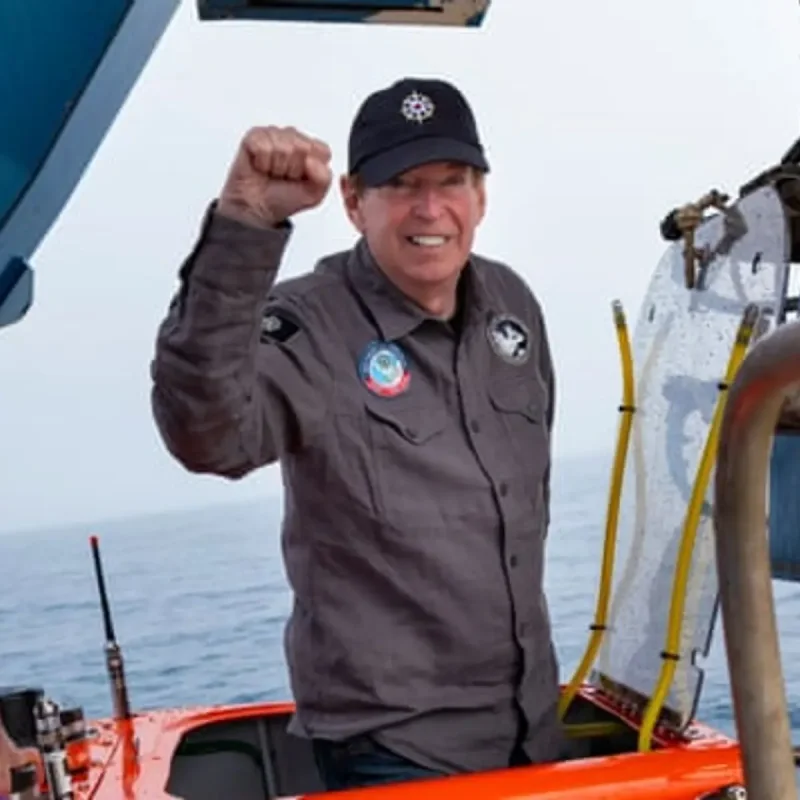
“To see a very large ship in the abyss, and to realize you are among the first humans to see it, and to realize that it is largely intact is a powerful experience,” said John Geiger, head of the Royal Canadian Geographical Society (RCGS).
Days later, Geiger was again inside the submersible Alvin, staring at the remains of the Terra Nova – the ship used by Robert Falcon Scott on his ill-fated Antarctic expedition.
Digital Twins of the Deep
The expedition, which began in early July and was funded by the RCGS, used underwater imaging technology from Canadian company Voyis to build detailed three-dimensional models of the wrecks.
“We’re scanning these wrecks and collecting thousands of high-resolution 3D images that are then kind of knitted together on the spot,” Geiger said.
The team hopes these “digital twins” will define future expeditions to the fringes of the planet.
Geiger described the project as a “golden era for shipwreck hunting and investigating,” as technological leaps allow researchers to better map and model the final resting sites of famed ships.
Shackleton was among the titans of the “heroic age” of Antarctic exploration. His 1914 expedition on the Endurance ended when the ship was trapped in ice and crushed.
The crew survived on ice floes and eventually made it to Elephant Island.