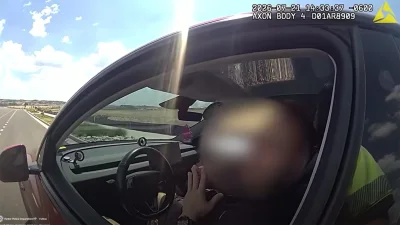
Those rulings left officers with few legal options when motorists or passengers declined to cooperate.
The Case Against It
The Ohio Public Defender's Office warned that the broadened interference language could expose motorists to much harsher penalties during routine stops involving relatively minor issues, such as expired registration tags or a broken taillight.
Columbus defense attorney Darren Meade has predicted the law will face constitutional challenges, particularly involving the Fifth Amendment's protection against self-incrimination.
Even supporters acknowledge litigation is likely.
The law doesn't take effect immediately; Ohio drivers and passengers have roughly three months before the new identification requirements become enforceable.
>>> Elon Musk Faces Bribery Complaints in Wisconsin Election
Whether the legislation survives the inevitable court challenges remains an open question.