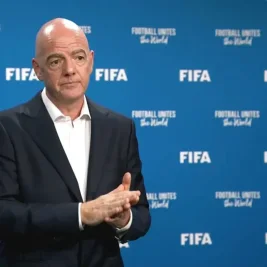
FIFA has enforced its strict "clean stadiums" policy during the World Cup matches in mid-June 2026, requiring host venues across North America to obscure all pre-existing, non-sponsoring brand logos to protect official corporate partnerships.
The mandate has forced iconic venues to alter their appearances, including Levi's Stadium in Santa Clara, California, which was rebranded as San Francisco Bay Area Stadium, and MetLife Stadium in New Jersey, where organizers masked various signage.
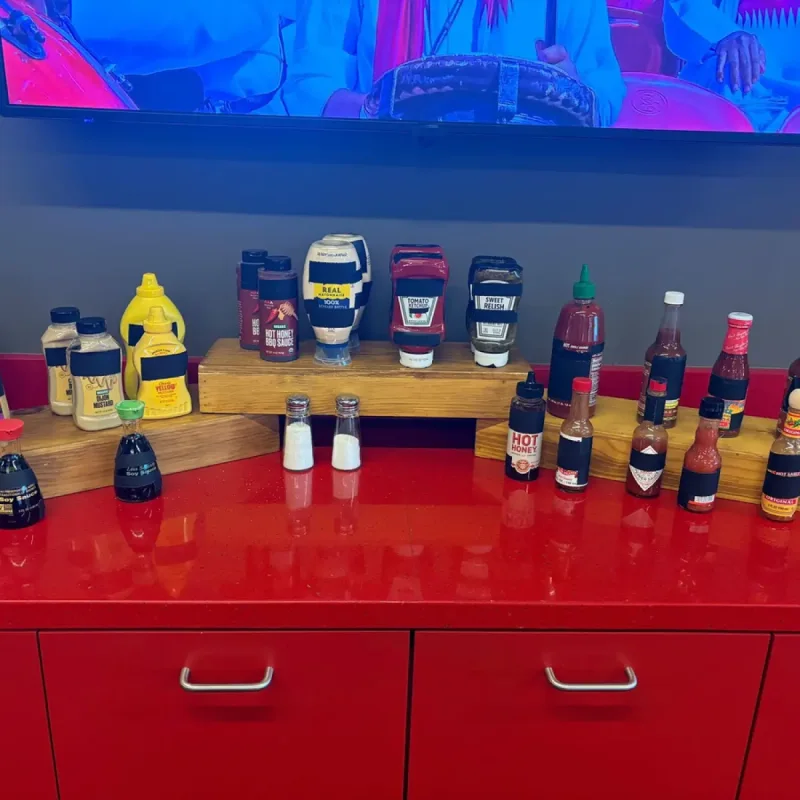
The logistical undertaking extended down to individual condiment bottles inside press boxes, where workers utilized black tape to obscure brand names on ketchup, mustard, soy sauce, and hot sauce containers to prevent unauthorized exposure.
As reported by The Athletic, previous public records requests revealed that stadium contracts mandate a total absence of non-approved marketing, merchandising, or signage inside, surrounding, or in the airspace above the venues.
Lisa P.
Ramsey, a law professor at the University of San Diego specializing in trademark and international intellectual property law, clarified that the extensive brand masking is a contractual obligation rather than a statutory mandate.
"This is how FIFA makes their money — allowing brands to be official sponsors," said Ramsey.
She explained that under trademark law and the doctrine of nominative fair use, venues are legally permitted to provide trademarked products without issue, making the current masking a direct result of hosting agreements.
"There's no international law that requires the stadiums to cover up the logos on the condiments," said Ramsey.
"This is really just FIFA, basically by contract, requiring this to happen."
The aggressive enforcement has drawn widespread attention on social media, with various internet users and the affected brands themselves publicly highlighting the taped-over products and covered stadium facades online.
"It's a good look for the brand, and I'm sure they had quite the war room about this," said Oren John, a creative director and marketing influencer.
John noted that modern communications teams are highly conditioned to adapt tightly controlled corporate restrictions into viral marketing opportunities, potentially reversing the intended effect of the brand protection policy.
"We are in a moment where comms teams and social teams are so conditioned on how to respond and adapt things to their own bidding that the era of brand protection, FIFA trying to be locked down — they're almost missing the point," said John.
"The response is going to get more attention than if they had just left the logo alone."
Organizers faced significant regional logistical challenges, such as in Atlanta, where FIFA allowed a massive roof logo to remain to avoid structural damage, while New Jersey officials pushed back against covering 80,000 branded cupholders due to extreme costs.