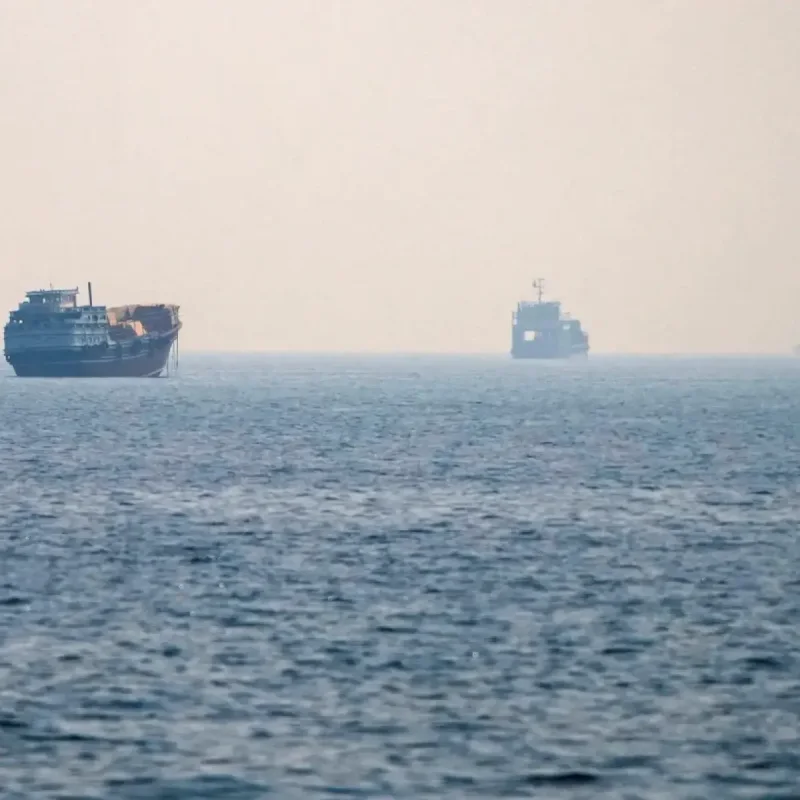
The International Monetary Fund has issued a warning that a renewed escalation of conflict in the Middle East could disrupt global supply chains and trigger further inflationary price increases.
According to the updated World Economic Outlook report, the global economy is projected to grow by 3 percent this year and 3.4 percent next year.
These figures represent a minor adjustment from the April forecasts of 3.1 percent and 3.2 percent respectively.
Global developments shifted rapidly on Wednesday when US President Donald Trump rejected a tentative peace deal with Iran following fresh hostilities.
The impact of this sudden collapse was not included in the official IMF projections, which already assumed a highly volatile environment.
Geopolitical tensions have placed immediate upward pressure on commodities, forcing worldwide food prices up by an estimated 8 percent this year.
The IMF adjusted its global inflation projections upward to 4.7 percent for this year and 3.9 percent for next year.
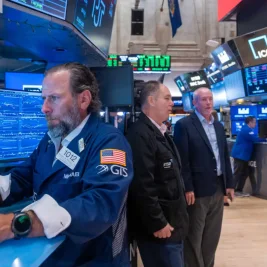
Energy markets reacted swiftly to the geopolitical friction as Brent crude oil jumped over 5 percent on Wednesday morning to 78 dollars per barrel.
The price had previously peaked near 120 dollars in April and May before dropping to just over 70 dollars last week.
Economic growth remains highly uneven across nations depending on energy independence and technological integration.
The United States economy is projected to grow by 2.3 percent this year, while the eurozone remains weak at 0.9 percent.
Germany faces 0.7 percent growth, and China is cooling down to 4.6 percent.
Conversely, a boom in artificial intelligence technology has mitigated the negative economic impacts of the conflict for certain nations.
Tech-exporting countries like South Korea saw gross domestic product expand by 7.5 percent on an annualized basis in the first quarter, heavily outperforming previous expectations.
The international organization also notes that the ongoing energy transition and renewable energy investments have made businesses and citizens less vulnerable to sudden oil supply shocks.
However, countries have been drawing heavily on strategic oil reserves to meet demand.
The leadership structure of the institution is currently undergoing a transition during this period of economic disruption.
Former chief economist Pierre-Olivier Gourinchas departed for the University of California earlier this month and will be succeeded in August by Silvana Tenreyro, a professor from the London School of Economics.
"De mogelijkheid van hervatting van het conflict in het Midden-Oosten is aanzienlijk," states the IMF report distributed to journalists before the latest surge in violence.
National strategic reserves have dropped to their lowest levels in years due to the protracted geopolitical strain.
"We gebruiken onze strategische voorraden elke dag om tegemoet te komen aan de vraag.
Het aanbod van olie wordt steeds krapper," said Fatih Birol, Director of the International Energy Agency, in an interview with NRC in early June.