Saudi Arabia and Egypt have become unwilling participants in the escalating Middle East conflict.
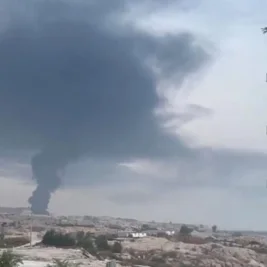
This week, Saudi forces launched airstrikes on pro-Iran militias in Iraq, while a drone attack targeted an Egyptian Mediterranean port.
The Saudi strikes, conducted alongside the United States, targeted militias responsible for recent drone attacks on Saudi oil facilities.
This marks a shift from Saudi Arabia's previous role as primarily a victim of Iranian retaliation.
Paul Aarts, a Middle East expert at the University of Amsterdam, described the conflict as a "chain reaction" that is dragging more parties into the war.
He warned that it is "hard to stop."
Saudi Arabia had favored stability due to its economic dependence, but recent attacks have intensified tensions.
A July 13 bombing at Sanaa airport blocked a Houthi delegation, prompting missile strikes and threats to close the Bab al-Mandab strait, effectively ending a 2022 ceasefire.
According to Aarts, "The dozens of drones fired by Iraqi militias were the last straw for Saudi Arabia."
He emphasized that the Saudi attack was limited, designed to send a message that they would not remain passive.
Aarts added that Saudi Arabia refrained from striking Iranian soil to avoid provoking Tehran into escalating the conflict further.
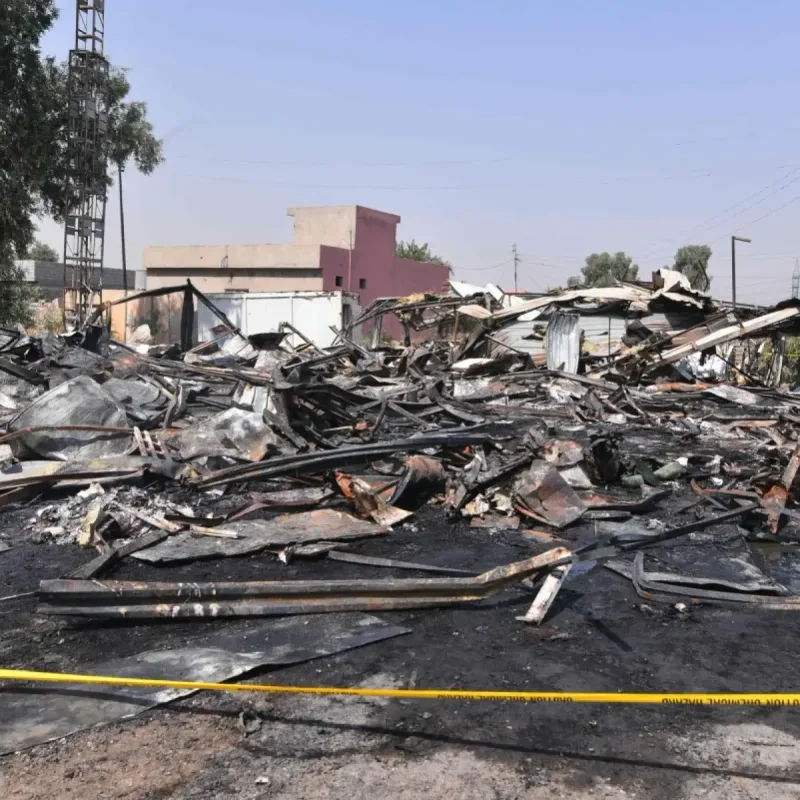
Egypt, which aimed to stay out of the conflict, was targeted this week by a drone attack in the Mediterranean port city of Damietta.
The attack hit an American tanker and a second ship, causing a fire but no casualties.
The Egyptian government confirmed the attack was a drone strike and is investigating, though it is widely believed to be Iranian-backed.
Political analyst Maged Mandour, author of Egypt under El-Sisi: A Nation on the Edge, called the attack a "significant escalation."
However, he noted uncertainty about whether it signals a broader new Iranian strategy or a warning to American allies in the region.
President Abdel Fattah al-Sisi has sought to avoid direct involvement in the regional war, relying on diplomacy to prevent further attacks, Mandour said.
He noted that Egypt's economy is fragile, weakened by the conflict's fallout, with the Egyptian pound losing value since the war began in late February.
Mandour explained that Egypt's status as a net energy importer makes ongoing attacks on energy infrastructure a serious threat.
This adds fiscal pressures due to debt repayments and budget deficits.
He also noted that the attack could expose Sisi to domestic criticism, undermining his image as protector of national security despite heavy military spending.
However, Mandour stressed that Egyptians fear the attack's consequences and that it may strengthen national and military support among the population.