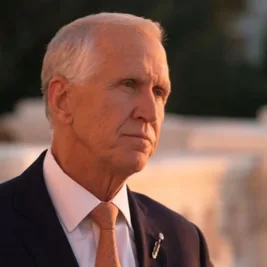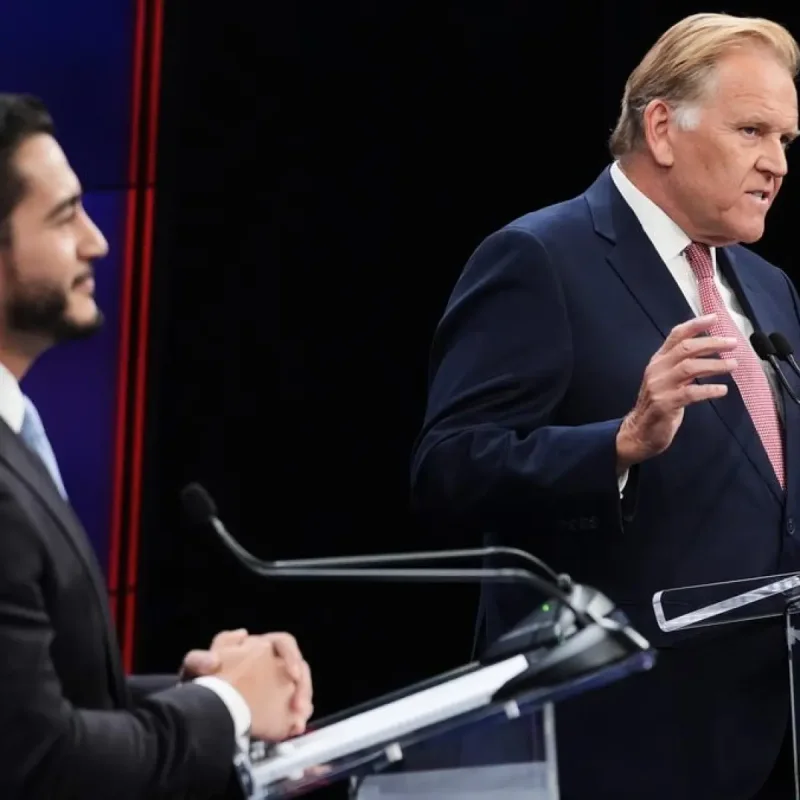
Democratic nominee Abdul El-Sayed holds a narrow lead over Republican Mike Rogers in Michigan's open U. S.
Senate race, according to polling averages published October 12, 2026.
With the November 3 election three weeks away, El-Sayed leads 48.1% to 45%, while criticism of a recent debate has raised questions about how effectively candidates are addressing major policy issues.
The RealClearPolling.
com average puts El-Sayed, a former Wayne County and Detroit health director from Ann Arbor, 3.1 percentage points ahead of Rogers, a former U.
S. representative from White Lake Township.
The polling margin remains within the typical 3- to 5-percentage-point margin of error cited for political surveys, leaving the contest competitive.
According to the average, which includes 12 Michigan polls conducted since September 15, El-Sayed led in 11 surveys.
One showed him ahead by as much as 7 percentage points, while Rogers did not lead any survey during that period.
His strongest result was a tie.
Most individual polls released since late September also showed El-Sayed ahead by 1 or 2 percentage points.
However, polling averages cannot guarantee an election outcome, and differences in survey methods make comparisons between individual pollsters difficult.
The results could also underrepresent Republican turnout or voter groups more favorable to Rogers.
Campaign developments and undecided voters could still change the race before Election Day. Absentee voting is already underway in Michigan, adding another factor to the remaining campaign period.
Debate Format Under Fire
The polling picture comes as the candidates face criticism over their October 8 debate in Grand Rapids.
Stephen Henderson, founder of BridgeDetroit and a Detroit News contributor, argued that the debate's short response limits prevented voters from hearing detailed explanations of the candidates' positions on tariffs, foreign affairs, economics and health care.
During the first 20 minutes, moderator Rick Albin struggled to keep the candidates within the format and focused on the questions.
Albin, an anchor at WOOD TV8 in Grand Rapids, expressed his frustration during the exchange.
"I'd like to be part of the debate too." Albin said during the debate, as described by Henderson in The Detroit News.
Henderson argued that 60-second answers, followed by possible 30-second rebuttals, encouraged interruptions and personal attacks rather than substantive policy discussion.
He said moderators had limited opportunities to challenge misleading claims or require candidates to explain how their proposals would work.
The debate also included a contentious exchange when Rogers linked El-Sayed's birth mother to a terrorist organization.
Henderson cited PolitiFact's finding that the organization had been designated for supporting terrorism but that there was no evidence El-Sayed's mother participated in the alleged activity or crimes.
Henderson placed responsibility on both candidates for their insults and interruptions, while also criticizing media organizations for allowing campaigns too much influence over debate arrangements.
He said broadcasters often compete to host debates, giving campaigns leverage over dates, moderators and rules.
He described the pursuit of the largest audience as a way for outlets to "win" the competition to host debates, while arguing that the approach can prioritize short, memorable exchanges over meaningful policy discussion.
Henderson said organizers should coordinate across media outlets, civic groups and academic institutions to establish stronger standards.
He noted that the Michigan Debate Commission, a coalition of more than a dozen organizations, had previously organized a Democratic primary debate at the Mackinac Policy Conference.
That debate allowed candidates longer periods to explain their positions, challenge opponents and respond to criticism from moderators.
Henderson said the format produced less personal sniping and more substantive discussion, although he acknowledged that the primary debate differed from a general-election contest.
He argued that debate organizers should reduce the influence campaigns have over individual arrangements, including "dates, moderators, rules, process," and develop formats that allow voters to assess candidates' reasoning on complex issues.
Henderson also criticized the conventional emphasis on "good sound bites" for political advertisements, saying the familiar question-and-short-answer format can serve campaign communication needs without giving voters enough information to evaluate policy proposals.
Michigan's November 3 Senate election will determine who succeeds the state's outgoing senator.
As of October 12, the polling average favored El-Sayed, but the narrow margin left room for the contest to shift before voters finish casting their ballots.