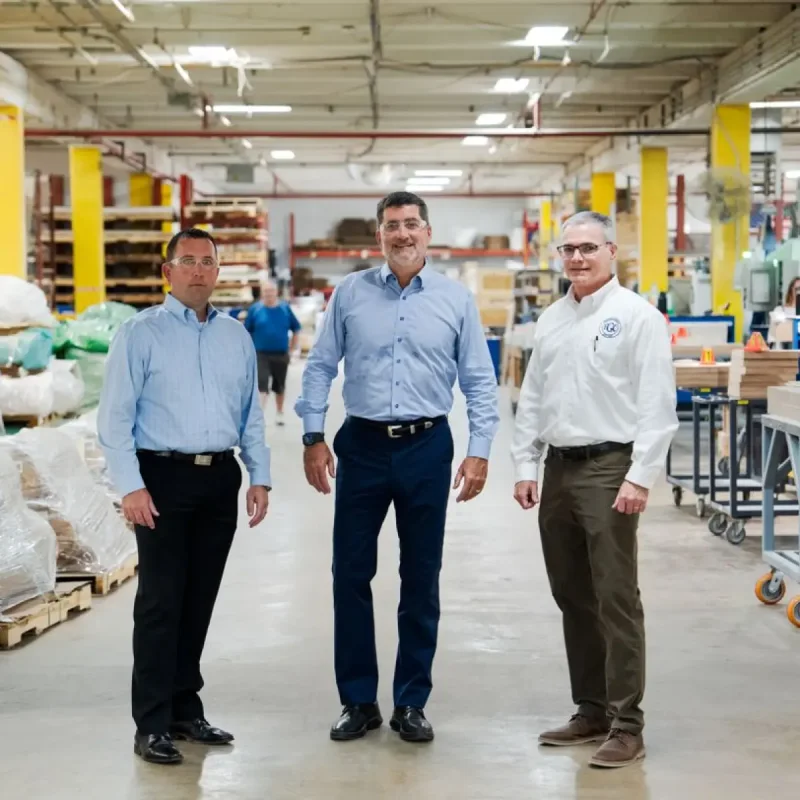
The Gund Co., a family-owned manufacturer in St. Louis, has gone 75 years without laying off an employee.
Under third-generation CEO Steve Gund, the company has averaged 18% annual growth over the past decade by putting workforce well-being ahead of short-term profit.
The manufacturer now approaches $400 million in annual sales and employs 1,300 people.
Its customers include General Electric and Rockwell Automation, and its composite materials are used across the electrical grid, including in wind generators and green utility boxes in residential subdivisions.
A Model Studied by Other Executives
Hundreds of executives have traveled to St. Louis to study the company's management practices.
Gund, 55, has made sharing the approach a priority, especially with leaders of other family-owned businesses.
He described the employee-focused strategy as both practical and financially sustainable.
"It sounds touchy-feely, but it's profitable," Gund said.
His grandfather, Ed Gund, a former candy salesman, founded the composite materials business in 1951.
The no-layoff record has been maintained through a management system that pairs employee development with careful staffing decisions.
The approach requires the company to limit staffing levels so it can absorb periods of weaker demand without resorting to layoffs.
Employees are encouraged to flag workplace concerns through red cards displayed on the factory floor, creating a documented process for alerting management to problems that need attention.
Career development is another central element, with workers from the production line to management developing individual plans to guide their professional growth.
The system also sets clear expectations: employees who fail to adapt to its high-performance culture are managed out, according to the company's stated practices.
Those policies combine workforce stability with performance accountability, distinguishing the model from one based solely on preserving jobs regardless of individual performance.