"The costs are immense.
Creators, writers and directors are often forced to accept minimal royalties simply to get work staged," he said.
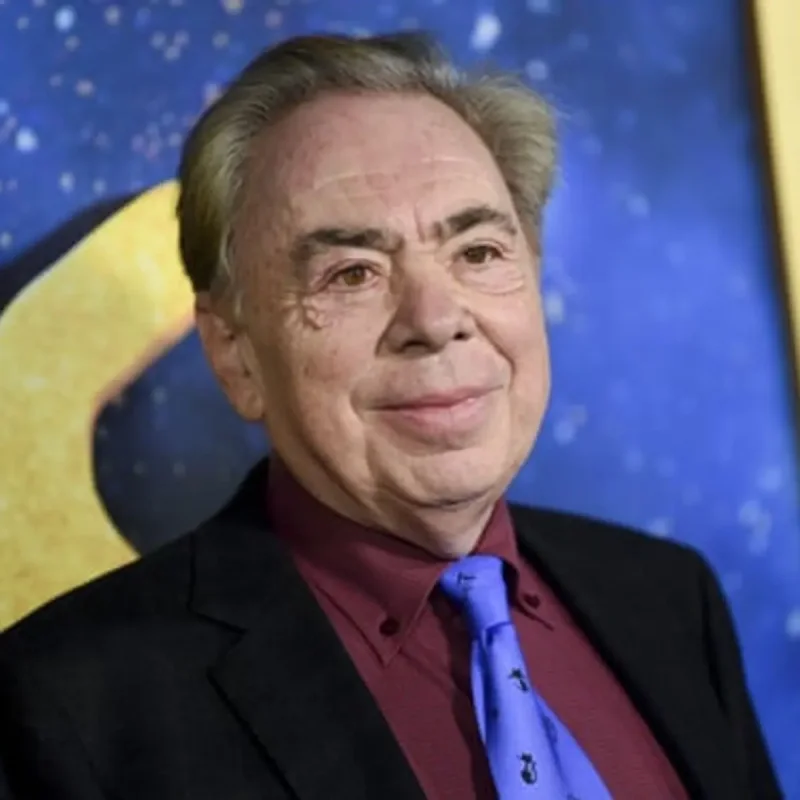
Lloyd Webber emphasized the growing disparity between industry professionals and production profits, questioning how the next generation of talent can sustain themselves under the current industry standards.
"Many now survive on a fixed weekly fee rather than sharing properly in the success of the work they helped to create," he said.
He also underscored that the ongoing financial instability risks deterring crucial financial backers who are essential to launching new productions.
"How can the next generation build a life in theatre under those conditions? Young creatives cannot live on goodwill alone," he said.
Despite these warnings, the overall Broadway market showed strong consumer demand, with the 2025-2026 season achieving a record $1.91 billion in ticket sales, driven by star-led productions such as Daniel Radcliffe's Every Brilliant Thing.
"The situation is scarcely better for investors. Many count themselves fortunate if they recover even part of their money.
>>> US Supreme Court Justices Request Increased Judiciary Security Funding
Without investors willing to take risks, and artists able to make a living, where will Broadway’s next generation of shows come from?"
said Lloyd Webber.
Meanwhile, established properties continue to find success, as Lloyd Webber’s Evita revival starring Rachel Zegler recently announced a Broadway transfer to the Winter Garden theatre for spring 2027 after a West End run.
"Of course, Broadway’s established hits remain profitable," wrote Lloyd Webber.