
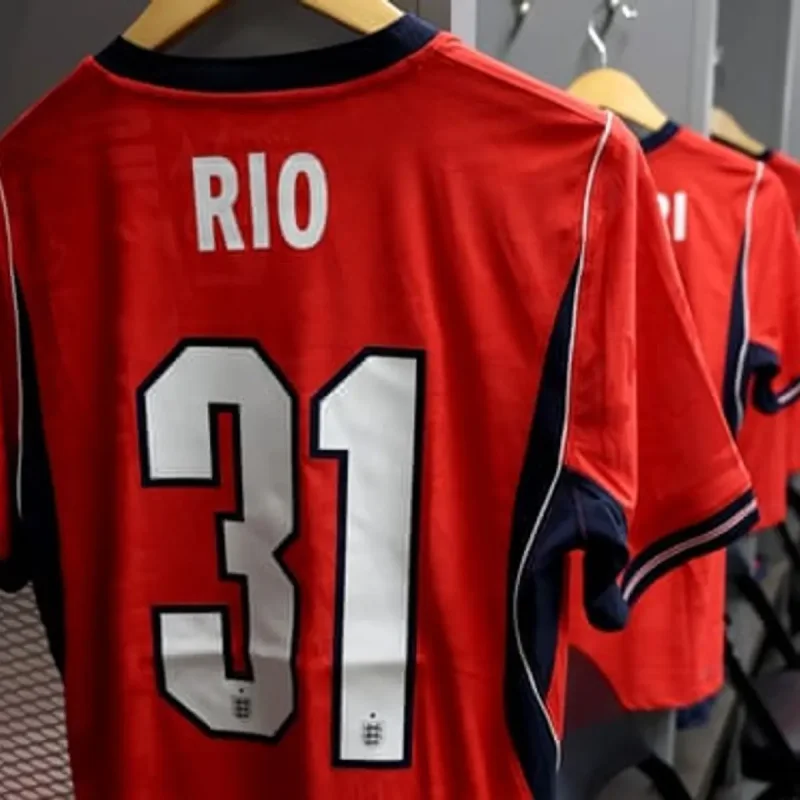
Football supporters are facing inflation-busting costs as tournament replica jerseys hit record highs, with Nike charging £95 (€110) for adult shirts worn by England, France, and Brazil fans.
Market research by football merchandise analyst Dr Peter Rohlmann reveals a striking overall increase in prices across major sports brands ahead of the competition in the US.
Price Breakdown Across Brands
Official match versions worn by players retail for up to €160, while Adidas and Puma charge €100 for adult replica shirts.
For children's kits, Nike remains the priciest at €85, followed by Puma at €80 and Adidas at €75.
In the UK, an adult England stadium shirt costs £90, compared to £75 for Scotland's Adidas strip.
An adult England match shirt costs £135, while Scotland's equivalent is £120, and a child's England shirt costs £65.
Despite high costs, replica kits remain big business.
Rohlmann estimates fans will buy between 18 million and 23 million shirts for this competition, with Adidas, Nike, and Puma expected to bank close to 80% of total tournament sales.
Even at the lower end of the estimate, sales will eclipse the 14.4 million shirts sold for the Qatar tournament in 2022.
Data shows the average price for an adult stadium shirt across all teams has surged 53% since South Africa hosted in 2010.
In 2010, a stadium shirt cost €65, whereas the average price stood at €90 for Qatar in 2022, before reaching €100 today.
For English fans, Rohlmann noted that football shirt prices have risen much faster and proportionally more sharply than the general cost of living.
An England shirt cost £45 in 2010, before Nike replaced Umbro in 2013, and rose to £75 during the 2022 tournament.
Prices can increase further if shoppers opt to personalize kits with names and numbers, while some children's kits vary by size.
Brand Responses
Nike responded to the data by addressing the current pricing structure. "We know that any kit price increase matters to fans, and we never take that lightly.
We regularly review our product costs to make sure we’re delivering the best possible performance and innovation, while balancing rising material, manufacturing and logistics costs."
Adidas also provided a statement regarding the market trends. "The pricing of our jerseys reflects the technology, development, and materials behind them.
We offer authentic and replica jerseys at different price points and continue to minimise the impact on consumers of rising costs across the industry, including the increasing fees paid to clubs and federations."
Puma did not respond to a request for comment regarding its tournament jersey pricing.
Counterfeit Concerns
Faced with high costs, some fans opt to buy fakes or are duped by seeming discounts on rogue websites.
Rohlmann warned that buying a fake shirt can lead to major disappointments, including missing packages, poor quality, or subsequent customs payments.
Data from KitLegit, an app using AI to verify shirt authenticity, indicates that 30%-40% of jerseys in circulation are counterfeit.
KitLegit co-founder Ben Houston explained the consumer behavior driven by economic pressures.
"The price of official shirts will be having an impact on demand for fakes, but due to the cost of living crisis many fans seek out counterfeit product."
Houston pointed out issues with secondhand platforms and clone websites that trick shoppers looking for discounts.
"Some consumers are knowingly buying fakes, but some are being duped.
Consumers think they are getting official product at a slightly reduced cost, when in actual fact they are being sold as fake at a higher price."