A new report from the U. S.
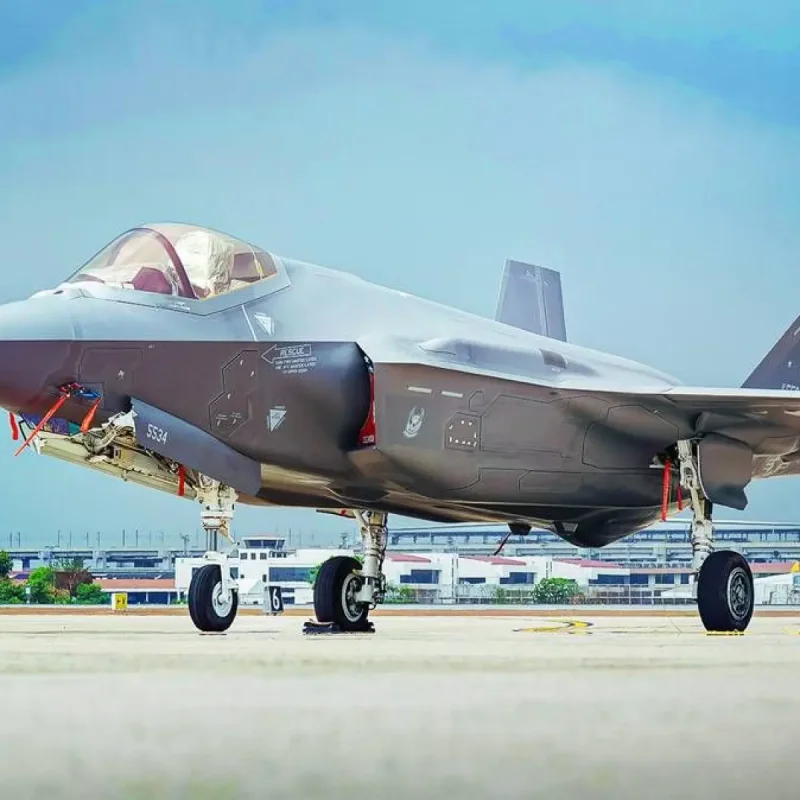
Government Accountability Office reveals that global readiness levels for the Lockheed Martin F-35 Lightning II fleet have dropped to 25 percent.
Persistent software instabilities and supply chain disruptions are the primary causes.
According to Air and Space Forces Magazine, the full mission capable rate fell to 24.6 percent in 2025, down from 38.1 percent in 2021.
The overall lifetime cost of the F-35 fleet is now expected to exceed $2 trillion.
Software Upgrades Found Unsuitable
In March 2026, the Pentagon’s Director of Operational Test and Evaluation formally evaluated the newest Technology Refresh 3 software upgrade.
The assessment found severe limitations in combat readiness, deeming it "unsuitable for dedicated operational testing."
The director also reviewed older baseline updates, noting they failed to deliver new combat capabilities and were "predominantly unusable."
U. S.
Senator Kevin Cramer, chair of the Senate Armed Services Airland Subcommittee, led a congressional hearing to address these challenges.
He called the F-35 "a cornerstone of American airpower" and "one of the most consequential defense programs."
Cramer emphasized the strategic importance of the Joint Strike Fighter program amid evolving global security threats.
He noted that international adoption enhances collective defense and bolsters the American industrial base.
"Nations around the world continue to choose the F-35 because it strengthens collective defense and regional stability," Cramer said.
"That growing demand reflects confidence in American technology, industry, and leadership."
Lieutenant General Gregory Masiello, Program Executive Officer for the F-35 Joint Program Office, testified about a $13.7 billion global support solution.
The plan aims to fix chronic glitches and incorporates lessons learned from 13 countries operating the aircraft.
"That is not just solely about buying spare parts," Masiello said.
"It is inclusive of that, making a catch up of investment that we’ve failed to make in the past, but it is also looking at our entire maintenance plan."
Masiello highlighted the diplomatic value of the F-35, calling it "more than just an airplane, it’s a symbol of our alliances."
He pointed out that hundreds of jets will soon be distributed across Europe to demonstrate shared military responsibility.