A government-commissioned national inquiry released on June 30, 2026, heavily criticized the NHS maternity system in England for failing to deliver consistently safe and compassionate care, prompting the government to pledge urgent reforms and a £41 million safety investment.
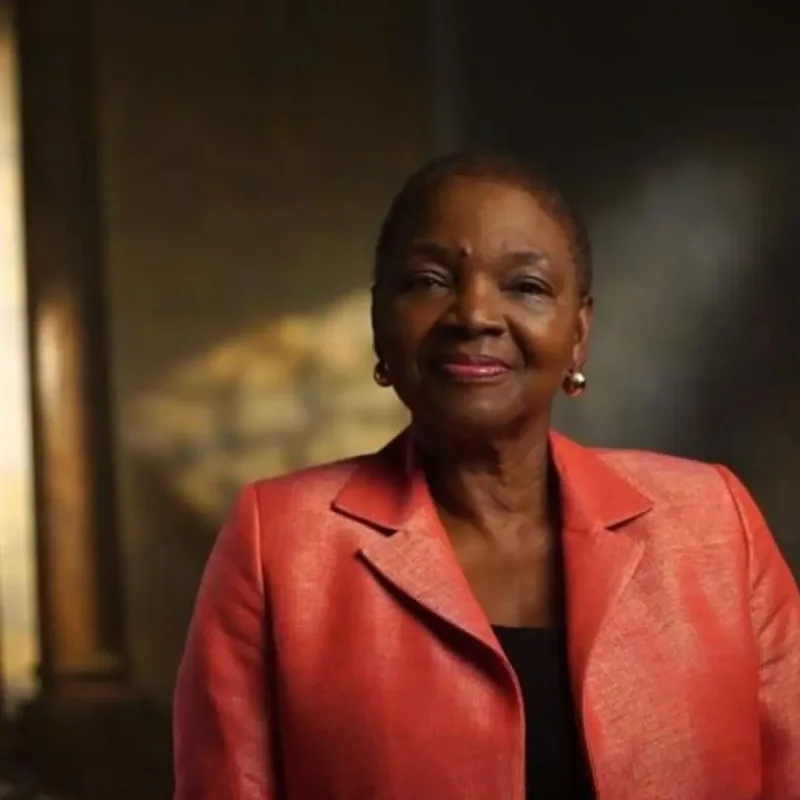
The review, led by Baroness Valerie Amos, uncovered widespread fragmentation, slow improvement rates, and deep-seated discrimination across the health service.
The National Maternity and Neonatal Investigation was initially established last summer by then-health secretary Wes Streeting following a series of high-profile maternity scandals.
Key Findings and Recommendations
Baroness Amos and her team evaluated the system by visiting 12 NHS trusts and hearing testimonies from more than 450 families, identifying a critical failure in listening to patients.
Among her eight major recommendations is the appointment of an independent maternity commissioner to hold the system accountable.
Baroness Valerie Amos criticized the embedded issues within the current healthcare framework. "Not set up to deliver consistently safe, high-quality and compassionate care," she said.
She emphasized the urgency of the situation regarding systemic discrimination and the need for immediate structural changes. "As a country...
we cannot continue like this," Amos added.
Amos also addressed requests for a broader legal proceeding to force hospital executives to testify, noting the significant time investment required.
"Statutory public inquiries take a very, very long time," she said.
While recognizing the perspective of affected relatives, she stated that the final course of action rests with other officials.
"From the work that I have done and from the conversations that I have had with families, I don't at the moment see that there is a need for a statutory public inquiry, but that's not a decision for me to take," Amos said.
Reactions from Families and Advocates
The report's release also caused internal friction, leading to the resignation of top investigator Dr. Bill Kirkup, who reportedly disputed findings regarding the national prevalence of denying caesarean sections.
Meanwhile, families affected by past failings shared mixed reactions to the investigation.
Patient Beth Forrester recounted her personal experience from 2018 at East Kent Hospitals NHS Trust, where a failed forceps delivery caused unacknowledged internal injuries.
"If you saw me and my daughter now you would think we were fine, but I'll never get back that time with her," Forrester said.
She expressed concern that many clinical errors remain unaddressed across the country.
"There are so many more women suffering from harm that will never be heard about," she added.
Forrester noted that numerous parents continue to deal with the long-term impacts of inadequate medical attention.
"I think there are hundreds, probably thousands of parents like me walking around carrying the scars of incredibly poor care," she said.
In response to past and ongoing service deficiencies, the local healthcare provider expressed regret.
"Truly sorry for the devastating and ongoing impact for families of failings in our service," said East Kent Hospitals NHS Trust.
A previous 2022 independent review revealed that sub-optimal care at the East Kent trust potentially caused the avoidable deaths of up to 45 infants.
Rhiannon Davies, a campaigning parent whose daughter died avoidably in 2009, expressed support for the report's focus on clinical safety and triage systems.
"One area where I think the report is particularly strong is that it reframes listening to women as a patient safety issue," Davies said.
She noted that the proposed modifications to immediate assessment services could yield significant benefits if properly executed. "The report also places considerable emphasis on maternity triage.
Again, I think this has huge potential - but only if we get it right," she added.
In contrast, representatives from advocacy groups criticized the inquiry for omitting critical patient experiences, such as birth trauma and physical injuries.
Dr. Kim Thomas stated that the final document failed to sufficiently incorporate the feedback gathered from affected mothers.
"Huge missed opportunity," said Dr. Kim Thomas, Chief Executive of the Birth Trauma Association. She expressed disappointment on behalf of families who had anticipated substantive reformative action.
"Many of us were hopeful that finally this would mean harmed women and families would be listened to," Thomas said.
She argued that the publication placed a disproportionate amount of focus on clinical staff over patients.
"It is devastating, therefore, to see that so little of what women told Baroness Amos is reflected in the report," she added.
Helen Gittos, whose daughter died in 2014 following a brain injury at East Kent, voiced concern over the positive depiction of the trust but acknowledged the potential of the recommendations.
"Fearlessly in a way that tackles the core issues and does not water them down," said Helen Gittos, Chair of the Family Expert Reference Group for the National Maternity & Neonatal Taskforce.
Gittos warned that ongoing struggles at individual trusts indicate that current national support frameworks are failing.
"If improvement in an individual trust cannot be sustained even with intensive support from national teams it indicates that the support they are giving is not working," she said.
The Maternity Safety Alliance directly opposed the structural setup of the proposed oversight role. "Failed to address core issues at the centre of maternity failings," the group said.
They argued that the new commissioner position lacks proper independent authority to execute systemic changes.
"The recommendation for a maternity commissioner in the format proposed by Baroness Amos is fundamentally dangerous, concentrating power and responsibility in one pair of unaccountable hands," the group added.
Following the report, the Department of Health and Social Care announced it will introduce a national action plan in December to implement the required upgrades.