The Volkswagen Group's Executive Board has announced an aggressive restructuring plan that will reduce its global model portfolio by up to 50% by 2030.
The move aims to streamline operations and cut costs in a volatile market.
According to the company, the plan follows a three-year "fundamental realignment" that met key targets across products, technology, and regions.
External financial headwinds in the double-digit billions have been offset, but the Group says more work is needed to become "more resilient, efficient and agile."
Complexity and Cost Reduction
CEO Oliver Blume and CFO Arno Antlitz described the restructuring as essential to pull down costs and move returns toward the target band of 8 to 10 percent.
The Group aims to strip out 75% of its complexity, slashing the number of powertrains, trims, and equipment packages while eliminating "parallel structures" that cause brand overlap.
Manufacturing capacity will be resized to match global demand, targeting 9 million vehicles per year—roughly the Group's output in 2024 and 2025.
The workforce faces significant pressure, with sources indicating VW is considering up to 100,000 job cuts and the closure of four German plants.
Which Models Are at Risk?
While the official announcement did not name specific models, VW said the future lineup will focus on the most attractive market segments.
High-volume cars like the Polo, Golf, T-Roc, and Tiguan are considered safe. However, niche models face uncertainty.
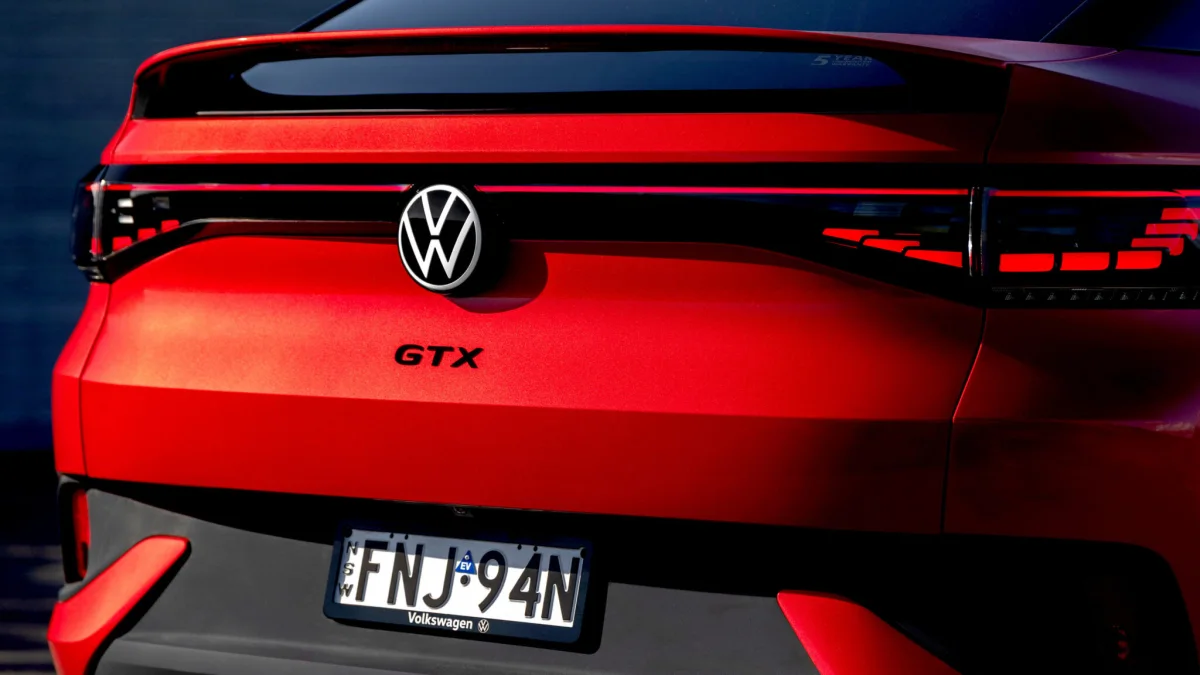
The T-Roc Cabriolet and ID. 5 coupe-SUV are unlikely to survive.
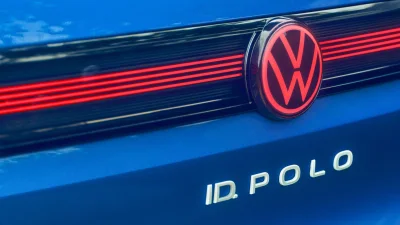
The Taigo crossover overlaps with the T-Cross, and the combustion Polo is expected to leave Europe in favor of the electric ID.
Polo. The ID.
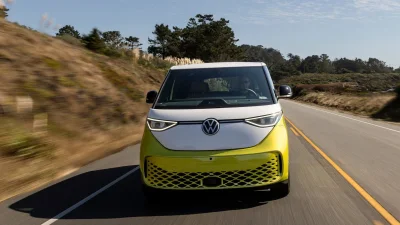
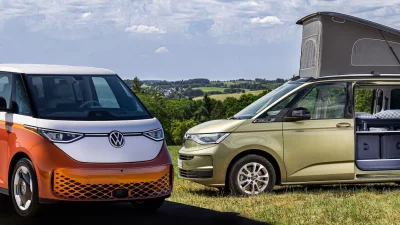
Buzz has underperformed, putting a second generation in doubt.
Skoda's Scala hatchback has slim odds of a successor, and Seat may see a reduced role as Cupra takes priority.
Audi has already dropped the A1 and Q2, with the upcoming A2 E-Tron taking entry-level duty. The aging A8 flagship and Sportback coupe-SUVs could be reconsidered.
Porsche's Taycan and Panamera sedans might merge into a single model, and bodystyles like the Taycan Sport Turismo and Cross Turismo are on shaky ground.
Lamborghini recently shelved its first EV, while Bentley continues with its electric SUV.
Reports of a possible sale of Lamborghini and Ducati have surfaced, and Porsche has offloaded its stake in Bugatti Rimac.
CFO Arno Antlitz emphasized the need for structural improvements: "We must fundamentally realign our business model and achieve structural, sustainable improvements.
This includes improving cost structure, reducing overhead, increasing plant efficiency, and accelerating technology development."
CEO Oliver Blume concluded: "Our goal is clear: by 2030, we will make the Volkswagen Group more resilient, efficient, and agile."