South Korean chipmaker SK Hynix launched its U. S.
trading debut on Friday, July 10, 2026, following a $26.5 billion share sale.
The offering serves as a critical test for investor confidence in the sustainability of the artificial intelligence boom.
The share sale is the second-largest in the United States, behind only SpaceX's record initial public offering last month.
Proceeds will fund new factory construction and provide direct access to the world's largest investor pool, according to Reuters.
Prior to the listing, semiconductor equities had slowed due to investor anxiety over decelerating AI spending.
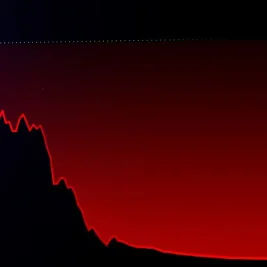
SK Hynix shares fell 25% from a record peak two weeks earlier, though the stock remains 650% higher than a year ago.
On Friday, shares rose 2.2% to 2.233 million won ($1,479.98) in Seoul after American Depositary Receipts (ADRs) were priced at $149 each.
That represents a 2.7% premium over the average share price from the prior three trading days, with ten ADRs equaling one common share.
Market analysts are closely watching the transaction to gauge global demand for AI infrastructure amid broader market fluctuations.
"Global semiconductors is the most crowded trade in the world right now," said Thomas Hayes, chairman at Great Hill Capital in New York.
He noted that the transaction allows the issuer to leverage current market dynamics and high asset valuations before potential shifts in investor sentiment.
"The bankers and the issuer, in this case SK Hynix, are meeting demand where it is.
They're seeing excessive valuations, and they want to take advantage of it," Hayes added.
The Nasdaq listing was deliberately chosen to capitalize on the premium valuations that U. S.
semiconductor companies typically enjoy over those listed in Seoul. "This is the purest large-cap way for U.
S.
investors to own the AI-memory theme, and Hynix deliberately picked Nasdaq to tap that demand and the higher valuations U.
S. chip names command versus Seoul," said Giuseppe Sette, co-founder of investment analysis platform Reflexivity.
While the current transaction succeeded based on the company's market position, future industry listings may face a more challenging environment.
"SK Hynix gets its deal done on the strength of the story, but companies coming after it may face a tougher, more selective market," Sette said.
SK Hynix, based in Icheon, South Korea, is the world's largest manufacturer of high-bandwidth memory (HBM) chips.
These components are essential for data processing in graphics processing units made by companies like Nvidia and AMD.
The surge in technology infrastructure investments has made HBM chips scarce, driving up prices. U.
S. -based competitor Micron recorded a 711% increase over the past 12 months, and analysts expect the U.
S. listing to narrow the valuation gap between the two firms.
Capital expenditure for global cloud and AI infrastructure is projected to reach nearly $1.5 trillion by 2027, a 40% to 50% year-over-year increase, according to a BofA Securities note.
However, rising concerns about the financial returns of these investments have introduced market volatility.
"Investors will weigh the strength of the past year's rally against this latest volatility ...
Oversupply fears are inherent to the industry," said Matt Kennedy, senior strategist at Renaissance Capital.