Swiss citizens are voting in a nationwide referendum on September 25, 2026, to decide whether to enshrine strict, permanent armed neutrality in their constitution.
The proposed measure would severely restrict participation in international sanctions and military alliances.
The referendum stems from public backlash after Switzerland joined European Union sanctions against Russia following its 2022 invasion of Ukraine.
Critics gathered the required signatures to force a national ballot, proposing that future sanctions require UN Security Council approval.
Campaign and Key Arguments
The campaign is spearheaded by Christoph Blocher, a conservative politician with the Swiss People's Party, who argues that departing from traditional neutrality endangers national security.
"We've hurt our neutrality with these EU sanctions," said Christoph Blocher, politician. "Now Russia thinks we're part of the war."
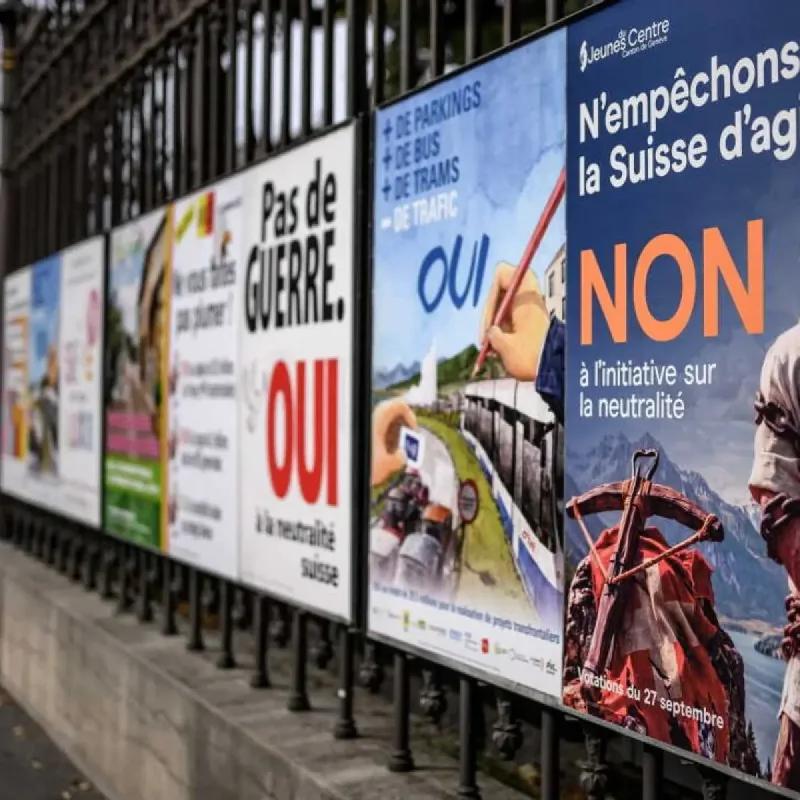
Supporters maintain that a strict non-interventionist policy keeps the nation safe from foreign conflicts, placing advertisements across the country to rally support for the constitutional amendment.
Opponents counter that rigid neutrality hinders the country's moral responsibility and undermines global security efforts during unprovoked aggression.
"We therefore supported directly the racist regime and prolonged apartheid in South Africa," said Fabian Molina, Social Democrats member of parliament.
Molina warned that blocking current and future sanctions threatens to repeat historic diplomatic mistakes while benefiting authoritarian trade partners.
"With no sanctions, it's easier to trade with dirty regimes," said Fabian Molina, Social Democrats member of parliament.
The Swiss government and opposition lawmakers urge voters to reject the initiative.
Ministers argue that rigid constitutional limits would restrict strategic flexibility, especially as defense procurements face foreign delays and modern security threats like foreign drone incursions evolve.