A cultural dispute resurfaced on September 24 as some Chinese netizens claimed that Korea's Chuseok holiday was copied from China's Mid-Autumn Festival.
Professor Seo Kyung-duk of Sungshin Women's University firmly denied these allegations, emphasizing the distinct origins and traditions of each holiday.
Seo explained that while both holidays fall on the 15th day of the eighth lunar month, their cultural backgrounds differ significantly.
Chuseok centers on giving thanks for the year's harvest and performing ancestral rites at gravesites, whereas the Mid-Autumn Festival focuses on moon worship and praying for family unity, according to Seo.
He further highlighted differences in traditional foods associated with each festival.
Koreans eat songpyeon, a half-moon-shaped rice cake during Chuseok, while the Chinese Mid-Autumn Festival features mooncakes shaped like a full moon.
Seo noted that this dispute is recurrent.
He recalled when Manchester City, an English Premier League club, posted a Chuseok celebration video last year, Chinese internet users responded by accusing Korea of cultural theft.
"When Lunar New Year approaches, Chinese netizens claim Korea stole their New Year, and when Chuseok approaches, they say Korea stole the Mid-Autumn Festival," Seo said.
He urged Chinese netizens to abandon cultural hegemonism and to acknowledge and respect Korea's unique holidays.
"It is time for Chinese netizens to stop their cultural hegemonic thinking and to acknowledge and respect Korea's own traditional holidays," Seo added.
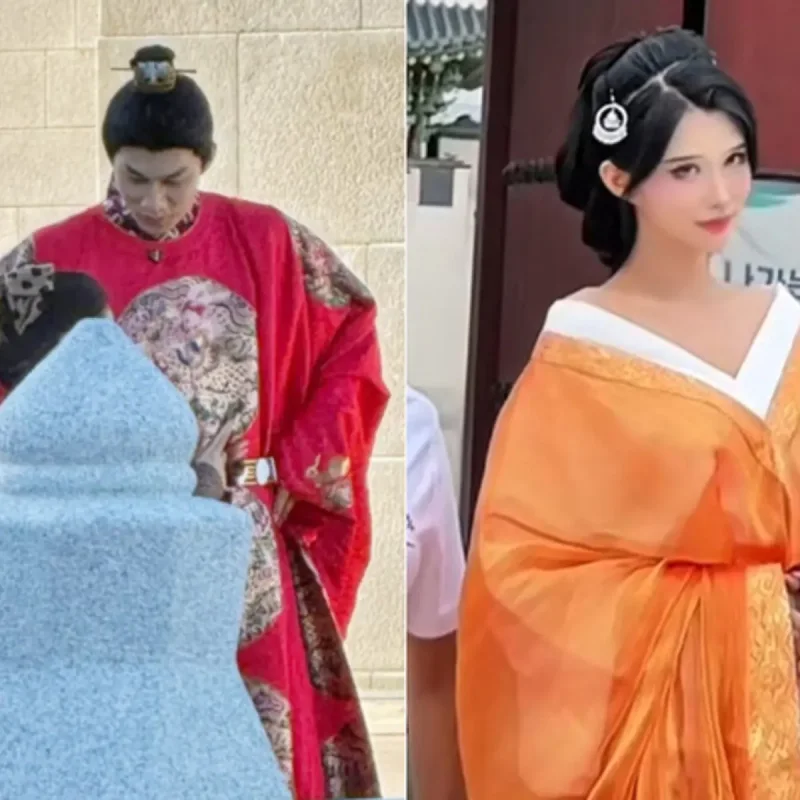
Besides Chuseok, similar claims arise regarding Korean hanbok traditional clothing, which some Chinese internet users assert originated from Chinese hanfu.
Seo cautioned that videos of Chinese tourists wearing hanfu at Korean historic sites could cause confusion about cultural origins among foreigners.
Seo attributed these disputes partly to a cultural inferiority complex as Korean culture gains global prominence through K-pop and dramas.
He stressed the need for Koreans to actively promote their culture abroad rather than merely criticizing others.
"Rather than only denouncing and criticizing their distortion activities, we should take this situation as an occasion to take more interest in hanbok ourselves," Seo said, encouraging citizens to introduce Korean culture through social media and YouTube.
"Building our own power to promote ourselves to the world is the most important issue right now," Seo concluded.