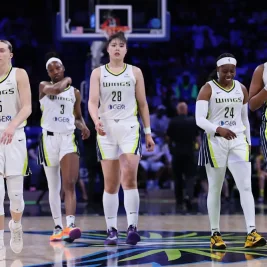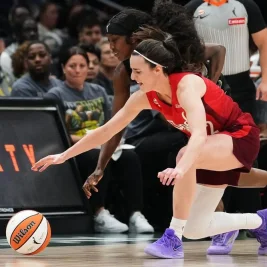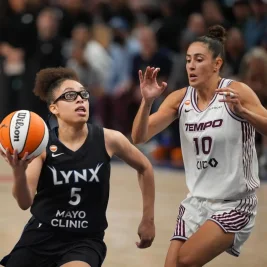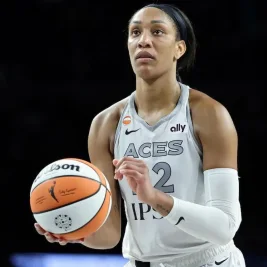
A group of Republican lawmakers, led by Texas Representative August Pfluger, has threatened to involve the Department of Justice in the WNBA unless the league addresses what they claim may be racially motivated hard fouls against Indiana Fever guard Caitlin Clark.
The letter, sent this week, suggests a civil rights lawsuit could be filed on Clark's behalf, alleging the league failed to protect her from physical play by Black opponents.
This move marks the third time in less than a month that the Trump administration and its allies have intervened in sports, using them as a front in an ongoing culture war.
Earlier, the DOJ announced an investigation into MLB's Pride Night for potentially discriminating against Christian players, and President Trump personally called FIFA President Gianni Infantino to overturn a suspension for US forward Folarin Balogun.
Clark, who has consistently avoided taking a public stance on political and social issues, now finds herself at the center of a contentious debate.
Her reluctance to address the racial undertones of her fan base has been a hallmark of her career, but the government's implication that she needs federal protection from Black players forces her hand.
Clark's Unwanted Role
Clark has always been both a vehicle for women's basketball's financial growth and a symbol of broader societal divisions.
Her rise has brought unprecedented attention and revenue to the WNBA, but it has also exposed the league to external pressures.
The league, which has historically been outspoken on social justice issues, has become quieter since Clark's arrival, as its political voice is now targeted by a DOJ that believes it must protect a white woman from her Black peers.
Clark is being used by various factions: those who weaponize her whiteness, misogynists who denigrate women's sports, classists who see her as a gentrifier of the league's queer culture, and now a government that views her as a valuable asset.
The situation echoes that of Larry Bird, who in the 1980s was similarly cast as a "Great White Hope" in a predominantly Black sport.
Bird rejected that narrative and focused on basketball, earning respect across racial lines.
Clark faces a more invasive culture today, where silence is often interpreted as agreement.
Denouncing the government could earn her the respect of her peers but risk alienating her fan base and the administration.
The greatest risk she faces is the loss of her political privacy, as a blundering government either misjudges her interests or willingly sacrifices her to further divide the country.