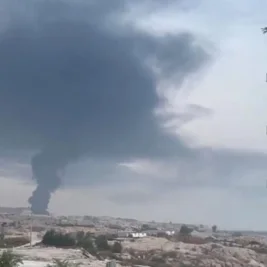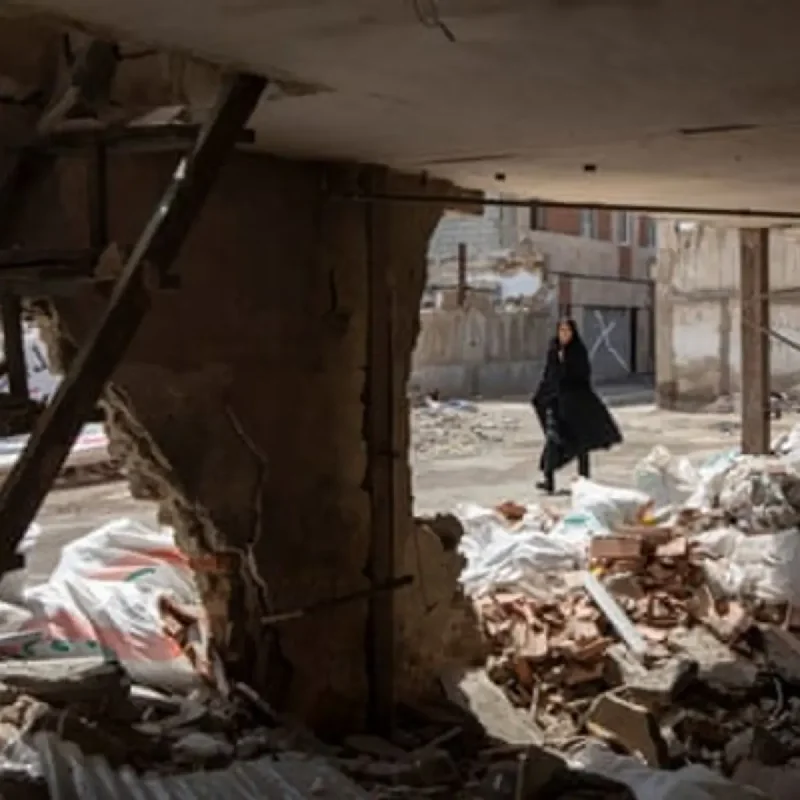
Less than a month after hailing a ceasefire, President Donald Trump has resumed strikes on Iranian military and infrastructure targets, a move experts warn could prolong the war and damage Republican chances in the upcoming midterm elections.
The memorandum of understanding (MoU) signed on June 17 in Versailles was intended to pave the way for a 60-day ceasefire and negotiations on Iran's nuclear program.
However, Trump concluded the deal was dead after Iran fired on commercial vessels from neighboring Gulf kingdoms.
Electoral Risks and Escalation
With midterm elections less than four months away, the renewed hostilities could backfire on Republicans.
The war is already unpopular among voters due to its inflationary impact on fuel and living costs.
Curt Mills, executive editor of the American Conservative, called the move a “total loser” for the GOP, suggesting Trump is driven by a personal vendetta rather than electoral strategy.
Experts warn that escalation could lead to a land invasion of Iran, dragging the U. S.
into a “forever war” that Trump previously condemned.
Nate Swanson, a former State Department and White House adviser on Iran, said the escalation has exceeded his expectations and is likely to fail as an effort to renegotiate the MoU.
Strait of Hormuz at the Center
The renewed violence centers on control of the Strait of Hormuz, a vital waterway for global energy exports.
Iran closed the strait in response to U. S.
and Israeli attacks, causing oil prices to soar.
The MoU aimed to reopen the strait in exchange for sanctions relief, but disputes over shipping lanes quickly emerged.
Analysts blame poor U. S.
negotiating or miscalculations on both sides.
Vali Nasr of Johns Hopkins University argued the MoU was a tactical breather for Trump to replenish strategic oil reserves and weaken Iran's negotiating position.
“Trump is trying to take control of the strait away from Iran before negotiating, so they cannot resist his demands on the nuclear issue,” Nasr said.
Iran, meanwhile, gambled that it could use the 60 days to gain economic relief while strengthening its position.
Both sides may have overestimated their capabilities.
The absence of Iran specialists in Trump's administration has heightened the risk of miscalculation.
Swanson blamed Secretary of State Marco Rubio for removing key personnel, leaving Trump reliant on a trusted but inexperienced negotiating team.
“That is how he fundamentally misunderstood his adversary,” said Alex Vatanka of the Middle East Institute.
“Iranians are willing to suffer more than he thought and risk playing the Strait of Hormuz card.”
Iran's readiness to gamble could drive Trump to further escalate, including a ground invasion.
Regime change, initially sought with the assassination of Ayatollah Ali Khamenei, appears off the table for now.
Joseph Votel, a retired U. S.
general, argued for a strategy combining military operations with diplomacy, including outreach to NATO allies. He warned the conflict could take weeks to months and requires strategic patience.