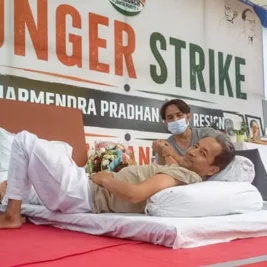
Delhi police forcibly moved activist Sonam Wangchuk to a hospital on Saturday due to health concerns after his 20-day hunger strike protesting India’s examination system, as reported by The Guardian.
The 59-year-old engineer, known for Himalayan water conservation, started fasting on June 28 to demand the resignation of Education Minister Dharmendra Pradhan following alleged medical exam irregularities.
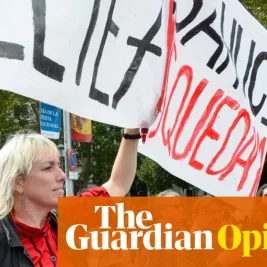
Hundreds of students joined Wangchuk at New Delhi’s Jantar Mantar, alongside online protests by the satirical Cockroach Janta party.
A deputy commissioner of Delhi police issued an official statement regarding the intervention after a New Delhi court ordered government doctors to monitor the activist daily.
"As per the orders of … high court and on expert medical advice due to deteriorating health condition of Sonam Wangchuk, he has been shifted to the hospital for essential medical care," said the deputy commissioner.
The authorities reported resistance from the crowd during the transfer process at the protest site.
"While complying with the orders … the protesters tried to create obstruction, in which slight commotion ensued," the statement added.
The police official then directed the remaining crowd to clear the demonstration area.
"We request the protesters at Jantar Mantar to peacefully vacate the place at the earliest," the statement concluded.
A video from the scene captured confusion among supporters as police used white sheets to move Wangchuk from the stage.
The Delhi high court intervened after activist lawyer Rakesh Kumar Saini filed a petition warning that Wangchuk might not survive without breaking his fast.
"Whatever medical intervention is needed to save Sonam Wangchuk’s life should be done," the Delhi high court ordered on Thursday.
The court emphasized the urgency of the situation by stating that the "life of any citizen is precious" during the legal proceedings.
Prior to his removal by law enforcement, the activist connected his hunger strike to broader democratic accountability regarding education.
"Smaller movements have brought down many governments in India … and here it is about education," said Wangchuk.
The protests followed widespread outrage after a paper leak forced 2.2 million aspiring medical students to sit for a re-examination under tight security last month.
The failure of the competitive exam and a separate high school marking fiasco sparked the youth outcry, drawing support from opposition party members.