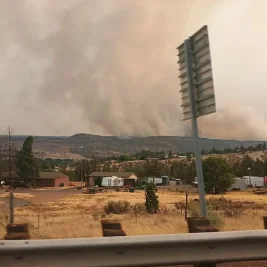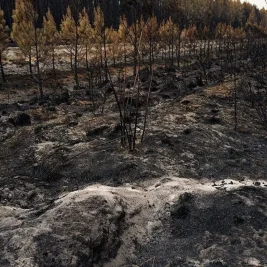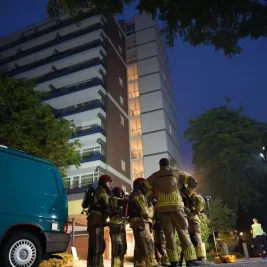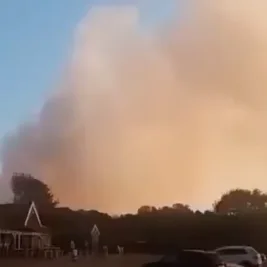
Fast-moving wildfires have destroyed two First Nations communities in Ontario, Canada, forcing residents to self-evacuate without emergency alerts or government assistance, as reported by The Guardian.
Evacuation orders have affected 13 Ontario communities, mostly First Nations, amid nearly 1,000 active fires nationwide.
Ontario Premier Doug Ford noted that roughly 2,000 residents have evacuated to cities like Toronto and Niagara Falls.
Canadian Prime Minister Mark Carney reported that extreme heat waves and dry conditions generated one of the most intense wildfire seasons in the nation's history.
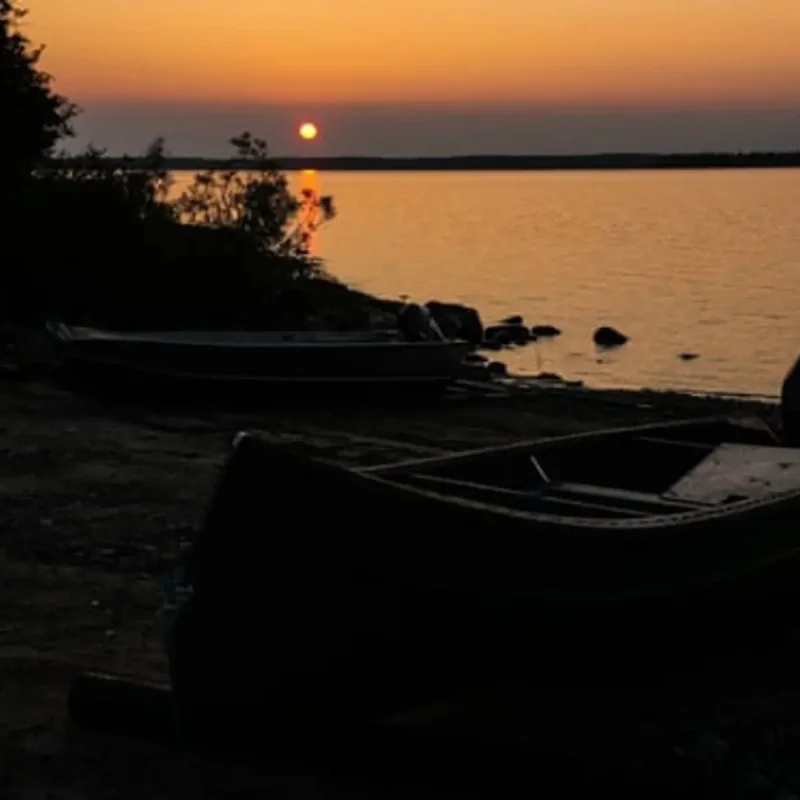
The Namaygoosisagagun First Nation, located north of Thunder Bay, was destroyed on June 15 after around two dozen members fled by boat.
The Anishinabek Nation, representing 39 First Nations, has been providing local emergency relief in Thunder Bay.
Grand Council Chief of the Anishinabek Nation Linda Debassige addressed the severity of the escape from the flames.
"If this community waited for a mandatory evacuation process, we’d be doing a recovery mission for the bodies of children, of elders, of men and women," said Linda Debassige.
Although Chief Helen Paavola sought federal assistance days before the disaster, officials assured the community that no immediate danger existed.
The Anishinabek Nation provided financial backing due to federal delays, though Canada eventually agreed to supply emergency funds.
Debassige criticized government leadership for poor coordination regarding emergency efforts.
CBC data indicates Ontario allocated $271 million for emergency firefighting in 2025-26, but planned a reduction to $150 million for 2026-27.
The provincial government provided no immediate response to requests for comment.
Wildfires also swept through Whitewater Lake First Nation, situated 250 kilometers north of Thunder Bay, destroying all remaining community infrastructure.
A 2019 study in the Journal of Disaster Risk Reduction noted that 80 percent of Indigenous communities reside in high-risk fire zones.
Western University associate professor Nicole Redvers spoke on the systemic risks affecting Indigenous territories.
"A community had to evacuate themselves without any warning," she said.
"If we don’t have the preparedness capacity within Canada to ensure that all communities have climate adaption plans in place … we’re definitely not well placed to have resilience within our communities going forward."
Namaygoosisagagun faces additional bureaucratic hurdles in securing permanent funding because its official federal recognition remains pending, despite recognition by neighboring First Nations.