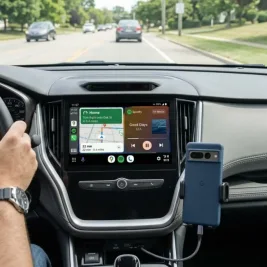
Google Maps started displaying live petrol and diesel prices at UK forecourts on 8 October.
The feature uses government Fuel Finder data to help motorists compare nearby pump prices as fuel costs remain elevated.
The rollout is expected to increase pricing transparency and competition among retailers, according to The Guardian.
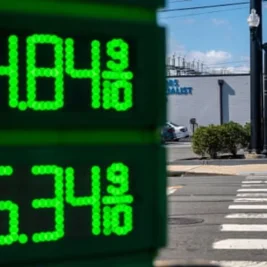
The move follows the average UK diesel price recently reaching a record £2 a litre, having risen more than 40% since late February, according to the AA.
AA president Edmund King said wider access to pump prices could make cheaper retailers easier to identify.
“Getting transparent fuel prices on to Google Maps is a massive step forward and means most drivers will have easy access to pump prices,” King said.
“Hopefully, this high-level pump-price transparency will also encourage more competitive prices from retailers.”
He added that more transparent prices should reduce the extent of rampant price-matching between fuel stations seen in many areas.
“Those competitive forecourts that break rank and offer lower fuel prices can be found if drivers look hard enough and will now stand out more,” he said.
The government's Fuel Finder scheme launched in February following a 2023 recommendation from the Competition and Markets Authority.
The scheme is already available through Waze, PetrolPrices, the AA, Confused. com and RAC Fuel Watch.
An AA spokesperson said Google Maps would not necessarily reduce demand for existing fuel-price services because motorists continue to seek pricing information.
“The demand for fuel price information,” the spokesperson said, remains strong.
The spokesperson also warned the change could “signal trouble for the fuel trade by revealing the forecourt pricing tactics which keep local prices artificially high in their full horror.”
The Competition and Markets Authority cautioned retailers in August that many were slow to pass wholesale diesel price reductions to customers.
The watchdog said such pricing strategies could weaken competition and keep household costs higher than necessary.
Energy Consumers Minister Polly Billington said the Google Maps feature would make price comparison simpler for motorists.
“Accessing the cheapest fuel should be simple, which is why it is a gamechanger for near-real time fuel prices to be shown on Google Maps for the first time in the UK, helping drivers find the best deal and save money at the pump,” Billington said.
Fuel Finder requires UK forecourts to submit prices within 30 minutes of changing them, according to the BBC.
However, PetrolPrices director Clare Lafferty said coverage and update compliance remained concerns.
“At the moment, we still have to supplement the Government's Fuel Finder feed with other data sources because, on its own, it does not provide the level of coverage and accuracy needed to deliver a complete and reliable service to motorists,” Lafferty said.
She said the company found 200 forecourts in September that it believed had not updated diesel prices within the required timeframe.
“There are still sites that have not registered with the scheme at all, alongside sites that have registered but are not consistently updating their prices within the required timeframe,” Lafferty said.
Google Maps and Waze product partnerships director Sarah-Jayne Williams said Google would apply its own checks before displaying prices.
“Accuracy is very important, so we will still show the petrol station and where it is, but you'll only see a price if we have high confidence that it's the right price,” Williams said.
The BBC reported that Google Maps is used by 77% of Britain's adult population for general navigation, according to Ofcom.
The Retail Motor Industry Federation said its members were complying with Fuel Finder requirements.
RAC policy head Simon Williams described diesel passing £2 per litre as an unwelcome milestone.
“A price threshold no one wanted to cross,” Simon Williams said.
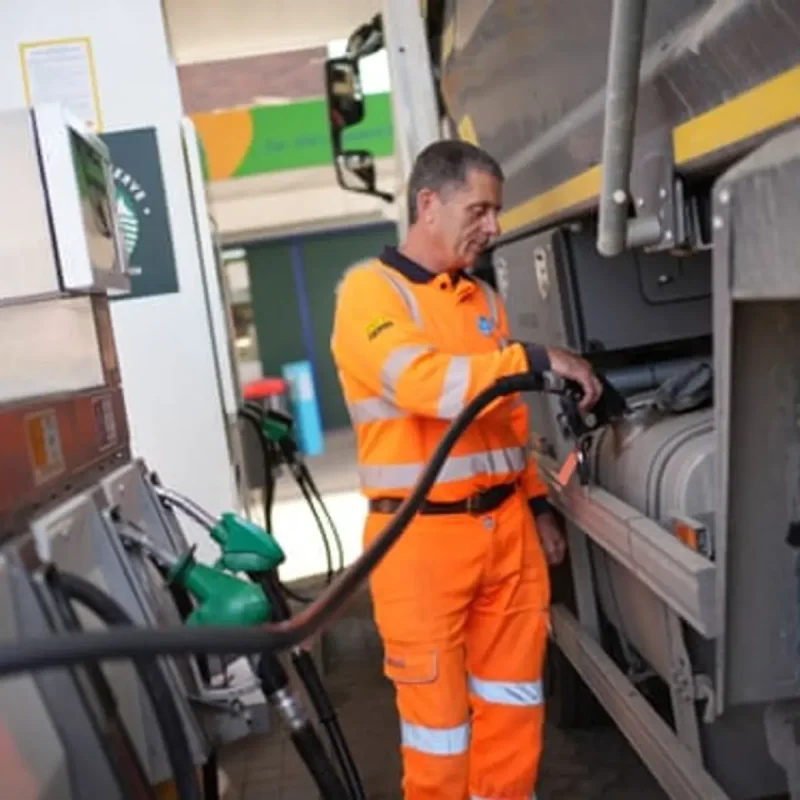
The BBC reported that diesel prices subsequently fell by 2p, while the AA estimated an average 55-litre diesel tank still cost about £110, compared with about £96 for petrol.
Google Maps is not the first navigation service to offer fuel prices in the UK; Waze, used by around 2 million people in the country, already provides the feature.
Apple Maps does not display fuel prices, although some third-party applications can connect with its maps on iPhones.