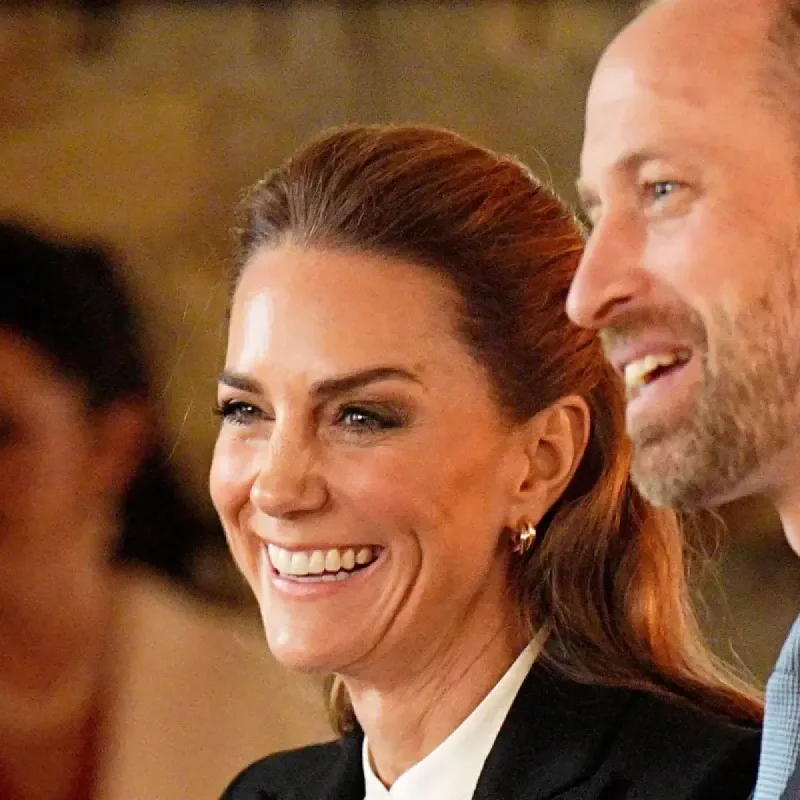
Princess Anne has overtaken Prince William and Princess Kate in a measure of British royal popularity, according to YouGov Ratings data for the third quarter of 2026.
The figures show that Anne gained public support while the Prince and Princess of Wales recorded declines in favorability, although all three retained substantially more positive than negative ratings.
Anne received a positive rating from 67 percent of respondents and a negative rating from 7 percent, giving her a net favorability score of plus 60.
Kate recorded a net score of plus 56, while William stood at plus 50, according to the polling data.
The figures offer an indication of public attitudes toward the monarchy as King Charles III continues to pursue a smaller working royal family.
Although royals do not face elections, public approval remains relevant to the institution's long-term popularity and standing in Britain.
YouGov Ratings collects opinions throughout the year and publishes results quarterly.
Unlike conventional polls conducted over a few days, its approach provides a broader picture of changing public sentiment over time.
Favorability Trends
Kate's favorability declined from 75 percent in the first quarter of 2026 to 64 percent in the third quarter.
Her unfavorable rating also shifted, falling from 10 percent to 8 percent, leaving her with a net score of plus 56.
William experienced a similar decline.
His positive rating dropped from 74 percent in the first quarter to 62 percent in the third, while his negative rating rose from 9 percent to 12 percent.
His net favorability score consequently fell from plus 65 to plus 50.
Anne moved in the opposite direction during the same period.
Her positive rating increased from 62 percent in the first quarter to 67 percent in the third, while her negative rating remained at 7 percent.
Her net score rose from plus 55 to plus 60.
King Charles III also gained ground in the YouGov Ratings figures.
His positive rating climbed from 47 percent in the first quarter to 53 percent in the third, while his negative rating decreased from 26 percent to 22 percent.
His net favorability score increased from plus 21 to plus 31.
Prince Harry and Meghan Markle experienced improvements in their British popularity ratings during the third quarter after returning to the United Kingdom in August following six years of living in the United States.
However, both continued to receive more negative than positive responses.
Meghan's net rating improved from minus 43 in the second quarter to minus 27 in the third.
Her negative rating fell from 61 percent to 49 percent, while her positive rating increased from 18 percent to 22 percent.
In the first quarter, her net score had stood at minus 21, based on 47 percent negative and 26 percent positive responses.
Harry's net rating improved from minus 30 in the first quarter to minus 12 in the third.
His negative rating declined from 55 percent to 41 percent, while his positive rating rose from 25 percent to 29 percent.
Support for the British monarchy has weakened since the 1980s, while support for replacing it with a republic has increased, although republicanism remains a minority position.
Changing attitudes among younger Britons have frequently featured in discussions about the monarchy's future, alongside hopes that support could grow as Prince George, Princess Charlotte and Prince Louis get older.
Anne, who represents an older generation of royals and a more traditional approach to the institution, discussed generational differences in a 2020 Vanity Fair interview.
She reflected on how younger people approach established royal practices and whether they recognize the value of previous experience.
"I don’t think this younger generation probably understands what I was doing in the past and it’s often true, isn’t it?"
Anne said in the interview.
Anne elaborated on her view that younger generations often favor new approaches without necessarily appreciating the experience accumulated by their predecessors.
"You don’t necessarily look at the previous generation and say, ‘oh, you did that?’ or, ‘you went there?’
Nowadays they’re much more looking for ‘oh, let’s do it a new way’.
And I’m already at the stage [of] ‘please do not reinvent that particular wheel.
We’ve been there, done that. Some of these things don’t work.
You may need to go back to basics.’" Anne said.