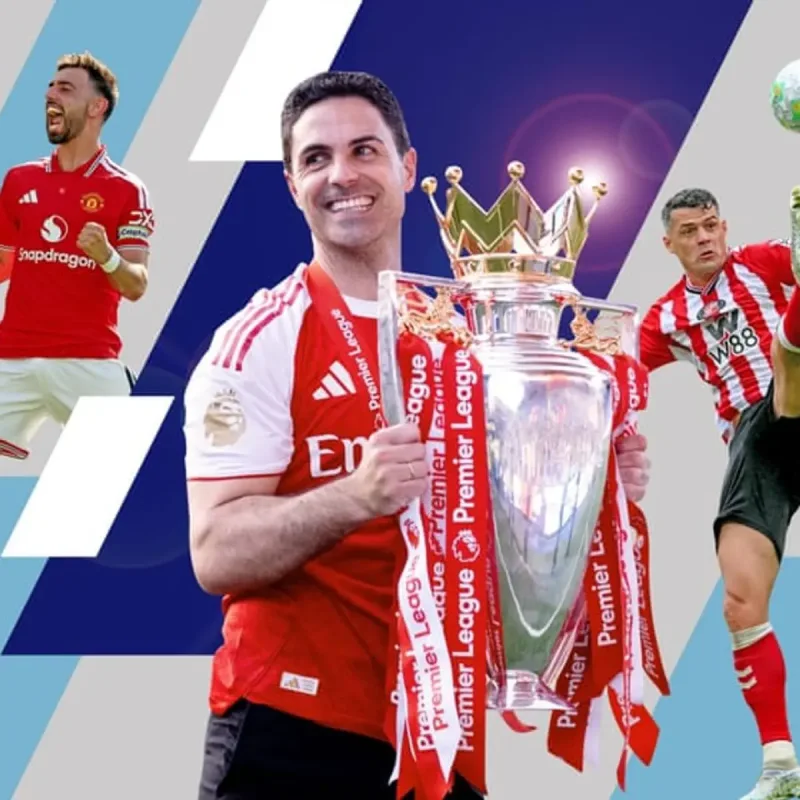
Mikel Arteta's transformation of Arsenal from perpetual challengers into structured champions earned widespread praise. That was especially given the psychological hurdle of overtaking Pep Guardiola.
Simultaneously, Andoni Iraola's work at Bournemouth drew significant admiration for its aesthetic appeal and tactical sophistication. He navigated significant squad changes to secure a historic European finish.
In the lower half of the table, Daniel Farke orchestrated a dramatic turnaround at Leeds.
He used a mid-season tactical shift at Manchester City to salvage his job and guide the club to an FA Cup semi-final and top-flight safety.
The rise of Régis Le Bris at Sunderland provided another captivating narrative.
The versatile coach transformed a newly promoted squad, seamlessly integrating fourteen summer signings to claim a stunning European qualification spot.
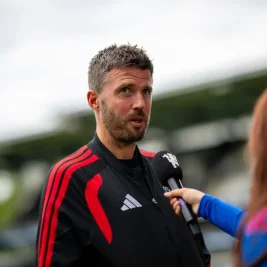
Similarly, Michael Carrick stepped into a fractured environment at Manchester United.
He ditched a rigid defensive system in favor of a fluid approach that resurrected their season and secured a return to elite continental competition.
Spectacular Strikes and Chaotic Evenings
The season was defined by goals that defied physics and matches that descended into glorious tactical anarchy.
From Dominik Szoboszlai's astonishing 35-yard free-kick against Arsenal to Kaoru Mitoma's perfectly-cushioned volley against Tottenham, the technical quality on display was extraordinary.
Unlikely heroes emerged in dramatic fashion.
Harrison Reed's thunderous 97th-minute equalizer for Fulham against Liverpool, a strike that rattled off the crossbar to ignite Craven Cottage, was one such moment.
When it came to the matches themselves, structural discipline occasionally evaporated entirely, giving way to pure entertainment.