"These new requirements for homeland security grant recipients will preserve election integrity and ensure that Americans can trust the results," the spokesperson added.
>>> Dairy Queen Closes Three Alaska Restaurants Amid Nationwide Shutdowns
FEMA documents clarified that the 20 percent funding holdback operates independently from a separate mandate requiring states to allocate at least 3 percent of their specific grant funds toward election security.
"The 3% minimum allocation and the 20% holdback are separate requirements and do not offset one another," FEMA wrote in the grant notice.
"Meeting the 3% allocation does not, by itself, release the 20% holdback, and the holdback applies to funds beyond the 3% set-aside," FEMA added.
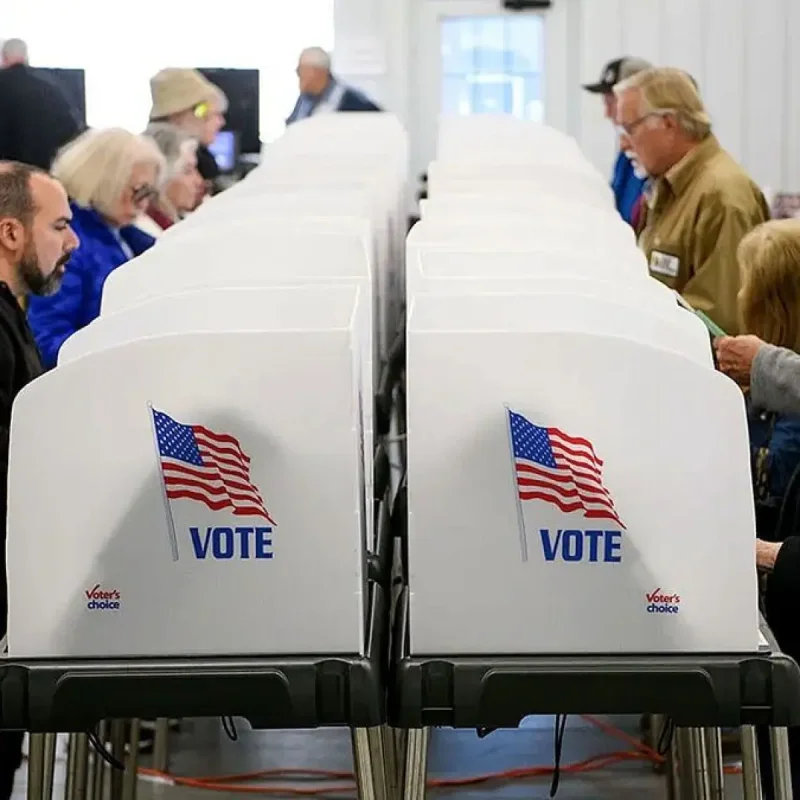
To regain access to the withheld funds, jurisdictions must officially submit comprehensive transition plans that outline timelines and necessary funding requests to eliminate electronic ballot-marking devices.
"Submit a plan for transitioning from electronic voting systems that utilize bar codes or QR codes to count votes to equipment that accepts hand-marked paper ballots," FEMA wrote.
The agency specified that this transition plan must comprehensively cover all local jurisdictions that are currently utilizing the restricted electronic systems.
"The plan, for all jurisdictions currently using such systems, must include a timeline and, if necessary, a funding request to eliminate ballot marking devices and utilize hand-marked paper ballots," FEMA wrote.
>>> MLB Contenders Set Trade Strategies Ahead of August 3 Deadline
States currently rely on the over $1 billion annual federal fund to pay for cybersecurity protections, emergency planning, physical barriers, and training exercises designed to counter domestic and foreign public safety threats.