The researchers and independent experts made clear the study was carried out on isolated caged bees, whereas full colonies in outdoor hives would respond to heat in ways that isolated workers cannot.
Prof. Giles Budge, an independent expert in crop and honeybee health at Newcastle University, explained how colony-level behaviors differ from those in a lab setting.
"Colony-level behaviours … wouldn’t necessarily be expressed in a cage study."
"A good example is that when honeybees fan their wings together, they can move air through the nest and reduce its temperature.
That can mean a behaviour intervenes before the thermal stress causes mortality."
Graystock also noted the physical limitations that bees face when managing environmental heat.
"Honeybees will change their behaviour to try to cool down their hive. But there comes a point where there is only so much they can do."
As the climate crisis worsens alongside accelerating biodiversity loss, honeybees face mounting pressures that threaten their immediate health and their long-term survival.
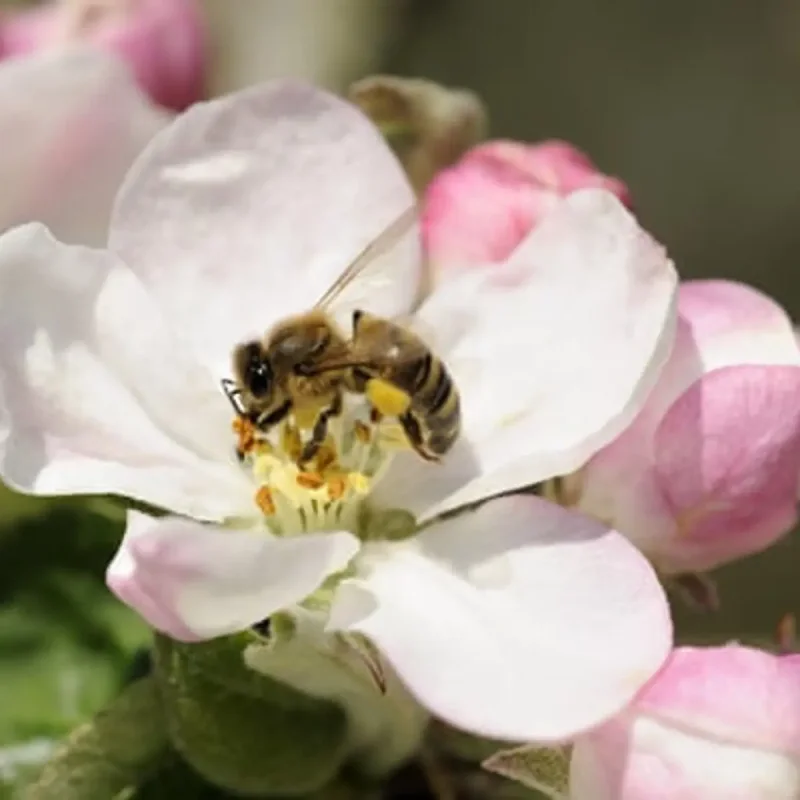
"Honeybees play a vital role in modern agriculture," said Graystock.
"Many crops depend on insect pollination, and managed honeybee colonies can be moved to where and when they are needed to support crop production."
He acknowledged the potential for supplements to help bees survive in colder conditions, but said more research was necessary.
"Winter is one of the riskiest periods for honeybee colonies because bees can’t leave the hive to forage and must rely on stored resources to survive," said Graystock.