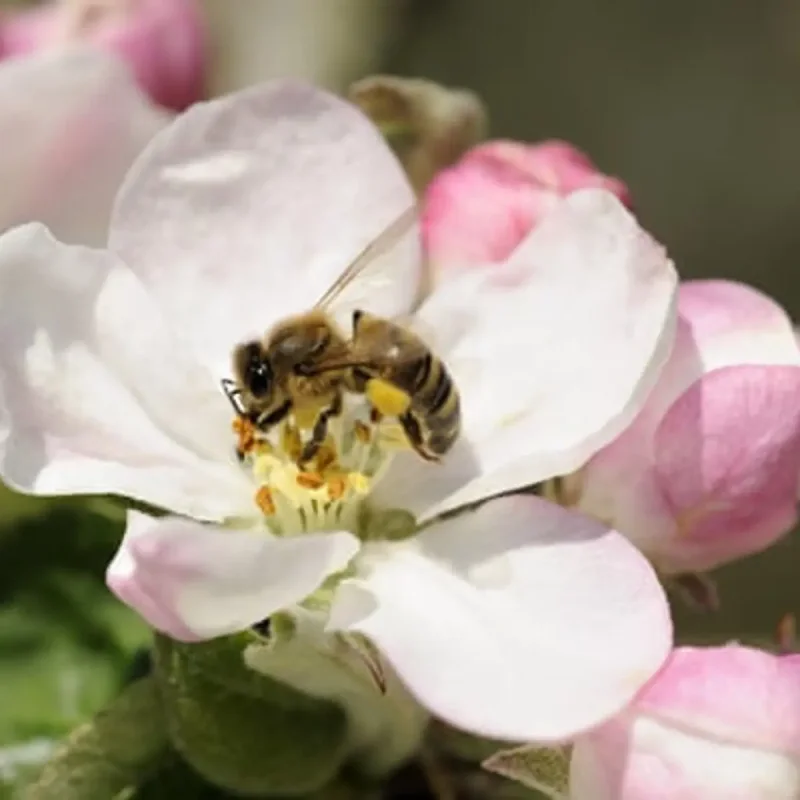
"This study suggests nutritional and microbial supplements might help bees through some of these cold challenging periods, although further research is needed to see whether those benefits occur at the colony level in the real world."
The researchers also warned against treating supplements as a substitute for healthier landscapes.
"Supplementation deals with the immediate physiological stress, not the underlying causes like shrinking forage, fragmented habitat and pesticide exposure," said Sahebzadeh.
"It really needs to sit alongside broader conservation-minded beekeeping, not replace it."
Graystock added that improvements in floral diversity and countryside management would leave bees less dependent on artificial feeding.
"I’d like to think nutritional supplements would not become the norm, because it would suggest that we don’t have healthy landscapes where bees can have healthy food," he said.