Electric cars have turned horsepower figures into something that looks like a mid-century telephone number.
But those four-figure outputs plastered across brochures don't necessarily represent what your EV can produce continuously.
As Germany's Auto Motor und Sport explains, peak and sustained power are very different animals.
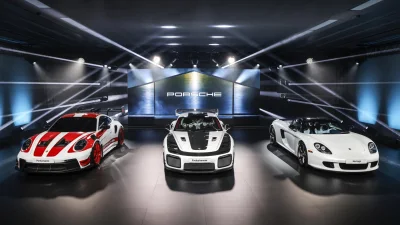
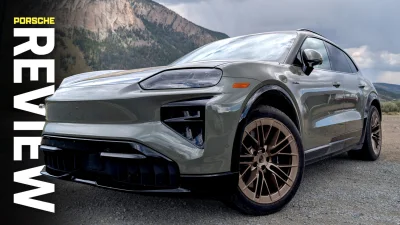
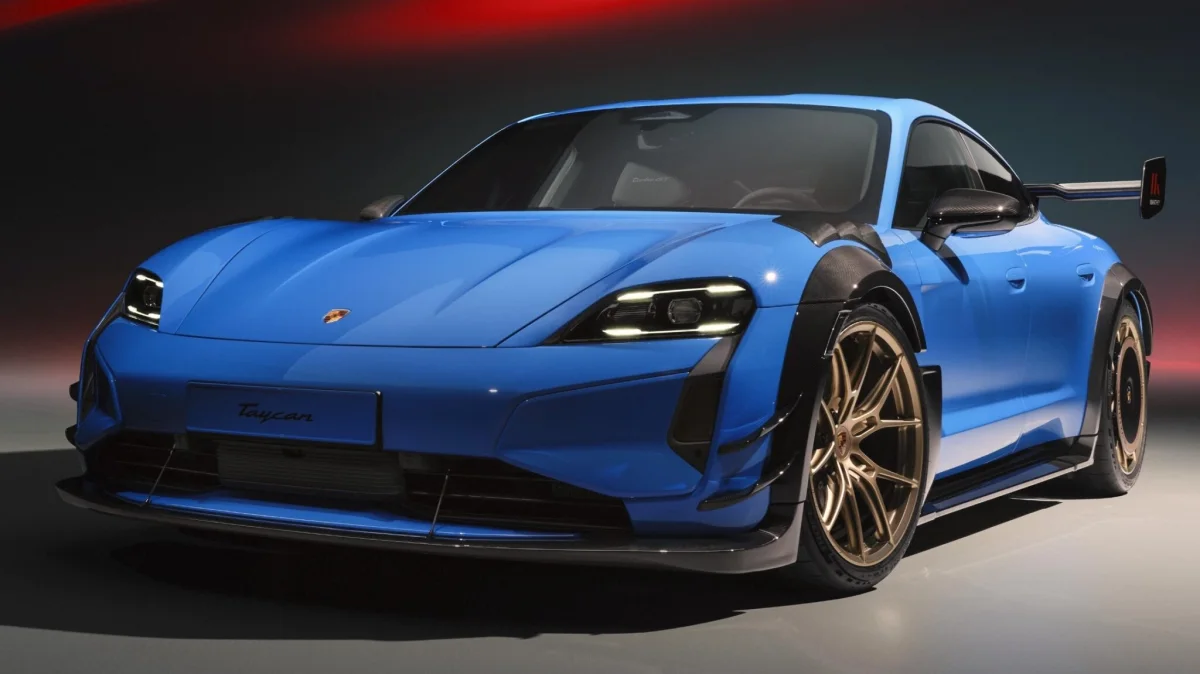
Take the Porsche Taycan Turbo GT: Porsche lists its regular output at 778 hp (789 PS / 580 kW).
Activate Launch Control and that jumps to 1,019 hp (1,034 PS / 760 kW), while maximum Overboost briefly unlocks 1,093 hp (1,108 PS / 815 kW) for just two seconds.
The Numbers Behind the Numbers
Porsche says its quoted Taycan outputs are determined using UN Global Technical Regulation No. 21, or GTR 21.
This establishes a standardized method for determining the combined system power of electrified vehicles.
That's particularly useful with multi-motor EVs because you can't necessarily just add each motor's maximum output together and call it the car's total.
And that's where EV power figures get confusing.
GTR 21 system power isn't the same thing as continuous power.
Electric motors can swallow huge currents and generate tremendous output briefly, but heat eventually becomes the party pooper.
Battery temperature and charge level matter too, as do the inverter, motor and cooling system.
The 30-Minute Power Figure
That's why yet another number exists.
UN Regulation 85 (ECE R85) includes a measurement for an electric drivetrain's maximum 30-minute power, essentially establishing how much output it can sustain on average across half an hour.
It's this figure that appears on German registration documents, which can explain why the number there looks surprisingly weedy beside the figures you've seen advertised.
For the Taycan Turbo GT, it's just 220 hp (223 PS / 164 kW).
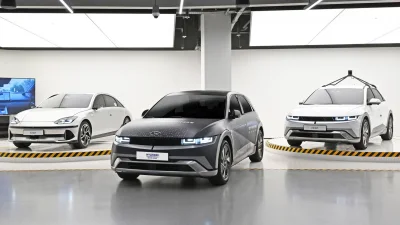
The Hyundai Ioniq 5 N that brags about 641 hp (650 PS / 478 kW) is listed at 213 hp (216 PS / 159 kW).
Crucially, that doesn't mean an EV will suddenly become a slug after 30 minutes.
It's a standardized regulatory measurement rather than a prediction of precisely what'll happen during your next autobahn blast.
Real-world sustained output varies with speed, ambient temperature, battery charge and thermal management.
Sprint Versus Marathon
So we've potentially got multiple different numbers to get our heads around, and all of them are valid in their own way.
The bottom line is that the headline-grabbing peak power is only fleetingly available.
Much like any fit guy can run a quick 5K, but even an Olympian can't sprint the whole way.
And just like your 5K time, an EV's continuous power output gives you a better idea of how it'll cope over a longer distance, say lugging a big trailer up a long incline.
Petrol Played Games Too
EVs didn't invent temporary horsepower.
Though Auto Motor und Sport contrasts electric cars with petrol ones that it says can deliver their rated power for longer periods, plenty have had overboost features delivering brief performance spikes.
Ford's Fiesta ST of the mid-2010s, for instance, was rated at 180 hp (182 PS) in Europe but 197 hp (200 PS) in the US, despite the cars having essentially the same engine.
The difference was Ford was allowed to advertise the overboost figure in the US, but not in Europe.
For most driving, peak power is arguably the number you'll notice in an EV. It's what delivers that neck-snapping launch or rapid overtake.
And there's no reason to gripe that it's only available briefly unless you're hot-lapping your electric car at a track day for hours on end.
Because in normal street driving you're probably only using 30 hp (31 PS) most of the time anyway, which just illustrates how silly the whole power war is.