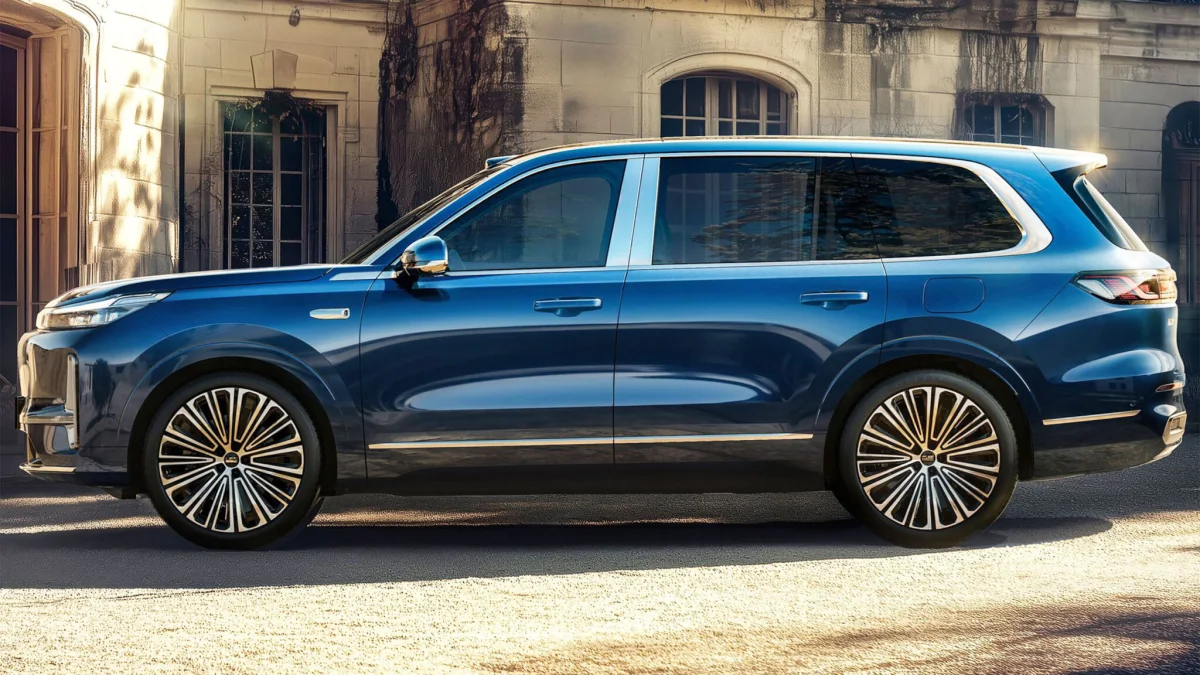
Giant electric SUVs and vans are pounding China's roads harder than ever, as falling fuel-tax revenue leaves a massive hole in the road budget.
Beijing is weighing a per-mile charge to make EV drivers pay their share.
Electric vehicles are flooding onto Chinese roads at a staggering pace, replacing millions of gas guzzlers and cutting down on toxic tailpipe emissions.
It's not all good news, though.
As big, heavy EVs grow more common across the country, the roads beneath them are taking serious punishment, leaving authorities scratching their heads over how to pay for repairs.
Data from the China Passenger Car Association shows that 60 percent of new cars launched in the first half of this year stretched beyond 16 feet (5 meters).
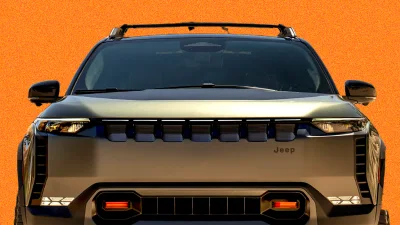
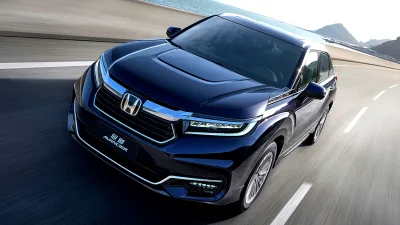
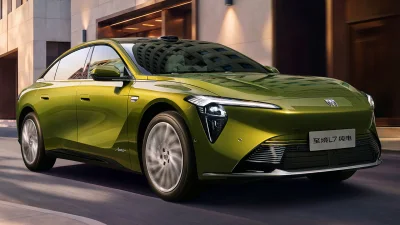
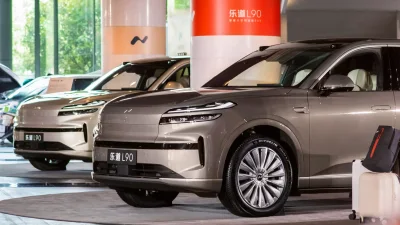
A growing number of local manufacturers develop ever-larger and ever-more-luxurious SUVs and minivans to meet rising demand.
Some of these supersized models now weigh as much as three tons, which is where the road damage comes from.
By comparison, just 2 percent of new models came in under 14.8 feet (4.5 meters), down from 13 percent a year earlier, a sign of how quickly buyers have abandoned smaller vehicles.
Xiaomi recently revealed its biggest model, the Skynomad N90.
Ordinarily, the government funds highway and road repairs through a fuel tax.
Revenue from that tax has begun to decline, and according to a Bloomberg report, the nation now faces an annual shortfall of roughly 50 percent for road upkeep and management.