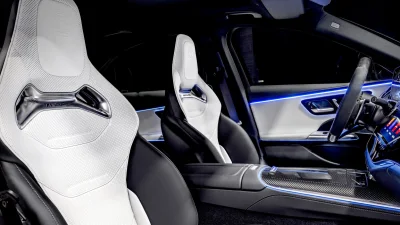
Mercedes-Benz has acknowledged that the automotive industry may have gone too far in replacing physical buttons with touchscreen controls.
However, the brand's CEO Ola Källenius suggests that large digital displays are here to stay.
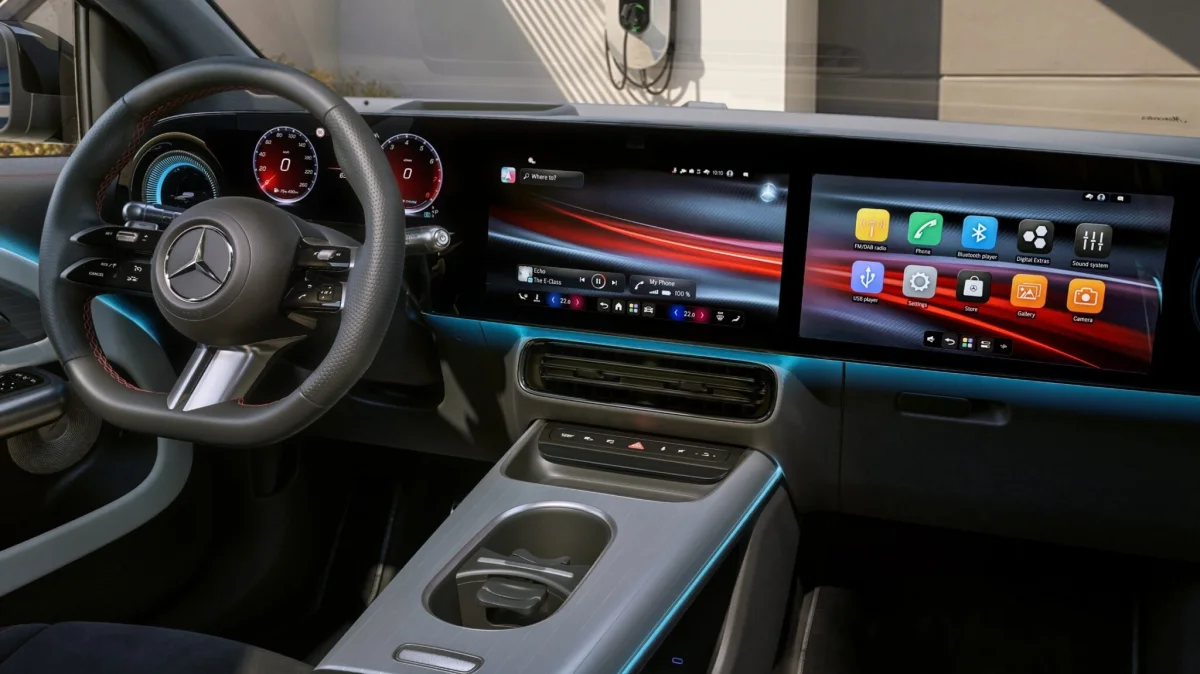
For years, Mercedes has embraced screen-heavy interiors, culminating in the MBUX Hyperscreen and Superscreen setups that can span the entire dashboard.
This shift came at the expense of conventional switches, a move that hasn't been universally praised by customers.
Return of Physical Controls
In an interview with Autocar, Källenius admitted that automakers may have pushed digitization too aggressively.
"Sometimes you get a bit ahead of yourself and do technology for the sake of technology and maybe forget a little bit about the customer," he said.
Mercedes has already restored physical steering-wheel controls, and Källenius promised that the brand will continue bringing back buttons where they make sense.
When asked if the industry had reached peak screen usage, Källenius replied, "I don't know if we're at peak screen, but we're at low button."
This suggests that screens and buttons will coexist rather than one replacing the other.
Mercedes isn't alone in this shift.
Ferrari CEO Benedetto Vigna recently acknowledged that touch buttons became common partly because they cost about 50 percent less to produce, but confirmed that Ferrari will reintroduce more physical controls.
Hyundai and Volkswagen are also moving in the same direction.
However, buttons alone aren't a guaranteed solution.
A Swedish distraction test found that a button-heavy Mazda CX-60 took longer to complete everyday tasks than a touchscreen-focused Tesla Model Y.
Mercedes' CLA also performed poorly, while Volvo's screen-centric XC60 topped the test.