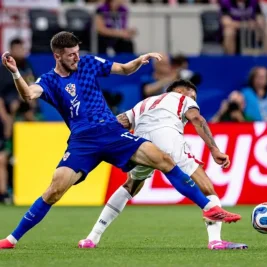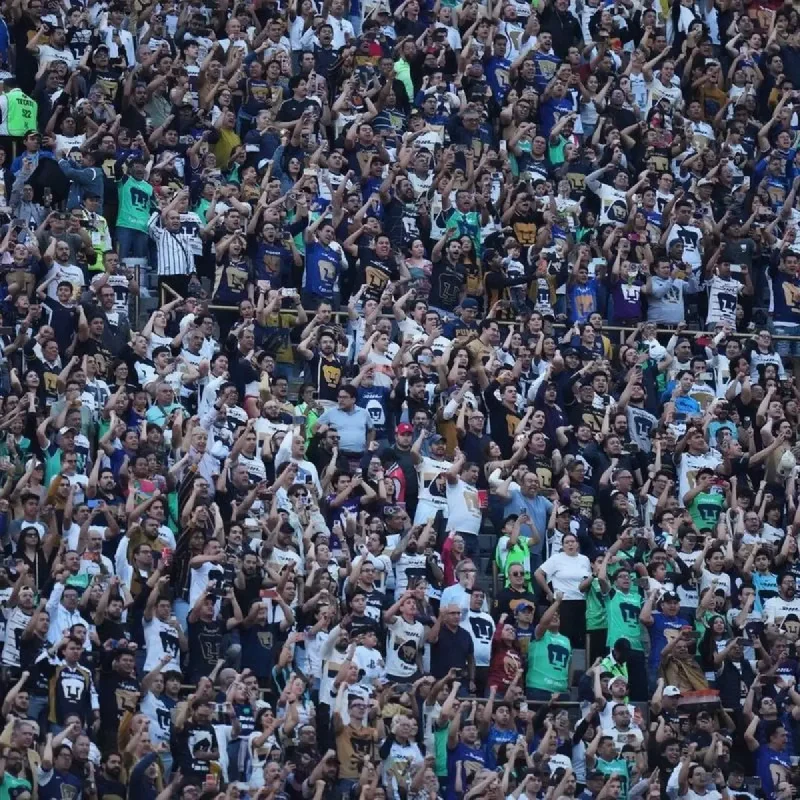
The Mexican Football Federation announced a new advertising campaign on Thursday to prevent fans from using a homophobic chant during the upcoming 2026 World Cup.
The anti-discrimination initiative, titled "The Wave Yes, The Chant No," features former national team players from the 1986 World Cup and is rolling out less than a month before the tournament begins.
Campaign Details and Background
The offensive chant has persisted for two decades and recently resurfaced during the Liga MX playoffs and intercontinental World Cup playoff matches hosted in Mexico.
"This campaign aims to raise awareness among fans about the importance of supporting the Mexican national team with the wave and not with discriminatory chants that FIFA sanctions," the federation said in a statement.
The coordinated stadium movement known as the Mexican Wave gained global popularity during the 1986 World Cup in Mexico, having been created originally by an American fan in 1981.
"It was at a World Cup 40 years ago that The Wave was immortalized, a movement of unity that remains in stadiums today as one of the most significant and iconic legacies of international football," the federation stated.
Mexican soccer officials are attempting to stop the chant after receiving a dozen FIFA sanctions and drawing fierce criticism from various LGBT+ organizations.
Mexico has pending appeals before the Court of Arbitration for Sport regarding prior FIFA punishments stemming from a 2024 match against the United States.
The promotional campaign features former soccer stars Hugo Sánchez and Manuel Negrete alongside current national team coach Javier Aguirre, with appeals across social media and stadium video screens.
The initiative runs in two phases through June 30, appearing across video boards during Mexico's three upcoming friendly matches, starting against Ghana in Puebla.
Concurrently, wider anti-discrimination concerns loom over the 104-game tournament as a report by FIFA and FIFPRO showed that homophobia accounted for 12 percent of targeted online abuse during the 2022 World Cup.
"While 26% of the total detected abuse was classified as 'general abuse', a further 17% was sexual in nature.
Sexism (13%), homophobia (12%) and racism (11%) were also particularly prolific," the FIFA report stated.
Activists have raised further concerns because FIFA omitted its specific "Unite for Inclusion" campaign from the stadium screen and jersey patch lineup for the 2026 tournament.
According to social media posts highlighted by sportsmedialgbt.
com, journalists noted the strategic omission of the inclusion campaign after it was prominently featured during the 2023 Women's World Cup.
"While it arrived at the museum in 2011, I opened the box on my desk – both myself and the desk remained glittery for some time afterwards!"
explained Dr. Alex Jackson, curator at the National Football Museum, regarding historical LGBTQ+ visibility artifacts like the Justin Fashanu Cup.
Disciplinary actions are already affecting tournament squads, as Argentina's provisional selection Gianluca Prestianni faces a UEFA-imposed suspension for using homophobic language during a club match.