Arab football commentators are captivating audiences at the 2026 World Cup with passionate, poetic broadcasts that transform matches into lyrical performances.
According to The Guardian, the commentators are stealing the spotlight even from the players, as a record number of Middle Eastern teams participate in the tournament.
Broadcasters like Amer al-Khudhiri, an Omani announcer for BeIN Sports, deliver dramatic soliloquies during key moments.
After Cristiano Ronaldo scored his first goal of the tournament against Uzbekistan, al-Khudhiri launched into a minute-and-a-half emotional narration.
“I knew you were coming for revenge.
I knew you would answer everyone, the world, the World Cup, the doubters, those who have lost their memory,” he said.
“Oh history, put Ronaldo here as Portugal’s all-time top scorer, through all its history. Allah, Allah, Allah!”
His voice grew hoarse as he continued: “I knew my night would be long and I knew my words might fail me, and I knew my vocal cords might break, and yet I am ready for that, happy, embracing heaven, O Ronaldo.”
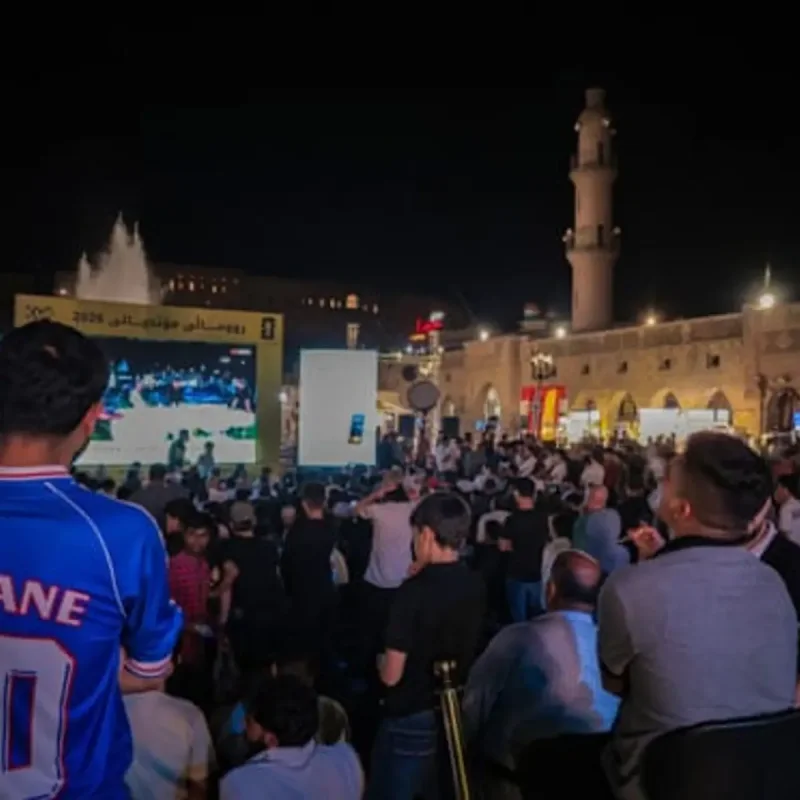
Prominent commentators like Tunisia’s Issam Chaouali provide the soundtrack for fans gathering in cafes across Lebanon and the Gulf.
This style departs from the clinical play-by-play typical of English-language sports media.
Hazar al-Kilani, a 27-year-old public relations manager in Doha, noted that the language enhances drama and expands perception of time, turning brief sequences into full narrative paragraphs.
The broadcasting style traces back to Middle Eastern oral traditions, where people gathered to compete in improvised poetry.
The classical science of eloquence, balagha, places the poet at the center of literary culture, a role modern commentators have assumed.
Football clips often go viral in the Arab world due to the dramatic commentary.
Cherly Abou Chabke, a 25-year-old Lebanese TV reporter, said the commentary sounds like a love letter to football, generating excitement even for non-fans.
Yemeni broadcaster Hassan al-Aidarous displayed similar artistry after Lionel Messi’s 17th World Cup goal against Austria. “Let history open its arms.
Let the world bear witness to this moment. Let glory be etched for ever into eternity,” he said.
“I do not call you Leo, I call you history itself! For if glory has a king, then you are the king of glory.
If records have a king, then you are the king of records.
And if legends have a leader, then you are the leader of legends throughout all the ages.”
This genre-breaking commentary allows announcers to guide fans through emotional journeys, expressing sorrow during missed opportunities or offering impromptu advice.
Legendary voices like Chaouali and Algeria’s Hafid Derradji evoke nostalgia, connecting generations during tournament summers.