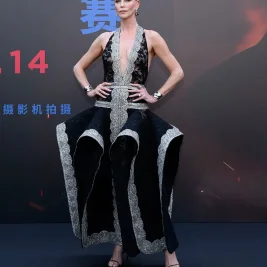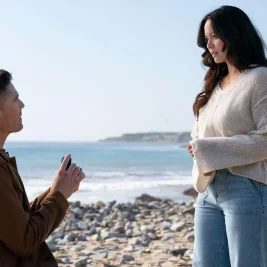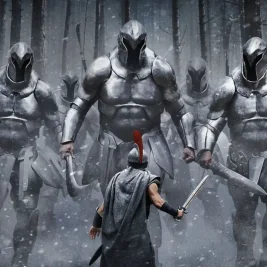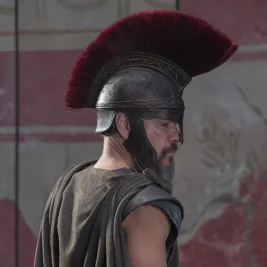
Universal Studios has decided to skip traditional advance screenings for social media influencers for Christopher Nolan's upcoming film, "The Odyssey," according to reports from The Hollywood Reporter on Thursday, June 25, 2026.
The studio is bypassing "word-of-mouth screenings" usually held for content creators to generate early social media praise, moving directly to professional critic screenings ahead of the movie's global premiere in London on July 7.
The decision represents a major break from standard Hollywood marketing strategies that use online tastemakers to soften potential negative reviews from journalists, while tracking data shows the film heading toward an $80 million to $100 million opening weekend.
Industry Reactions
Scott Mantz, a cofounder of the Hollywood Critics Association, expressed strong approval of the studio's strategy on social media.
"GOOD!!" wrote Scott Mantz on X.
"Because EVERYONE knows those so-called 'influencer' social media reactions are TOTAL BULLSHIT."
Other prominent industry writers shared similar sentiments online, with IndieWire chief film critic David Ehrlich joking that the decision aligned with the wishes of the ancient Greek poet.
"this is what Homer would have wanted," joked David Ehrlich on X.
The shift drew analysis regarding how major studios manage early film reception and whether the strategy could alter standard industry practices.
"Good on Universal!" wrote Kristen Lopez, editor-in-chief of the independent newsletter The Film Maven, on X.
"Interesting to see if other studios follow suit (though I'd lean towards no)."
Screen International senior US critic Tim Grierson indicated that the decision reflects a significant stance against the standard practice of favoring online creators for early buzz.
"Actual film critics have gotten used to how the studios try to diminish whatever importance we have by often letting influencers be the first people to sound off on a film," says Tim Grierson, senior US critic for Screen International, to WIRED.
"It's just another way in which Hollywood tries to instill the idea that some new piece-of-crap blockbuster is really 'for the fans, not the critics.'"
Grierson added that the move establishes a different dynamic between the filmmaker and the individuals assigned to evaluate the production.
"Essentially, the studio is declaring that it doesn't need influencers—who tend to be very gushy and uncritical—to bolster the film's initial word-of-mouth," says Tim Grierson.
"It was also a canny move on Nolan's part, because now whoever does get invited to a press screening—including influencers, who will see it at the same time as the rest of us—will feel like, 'Oh wow, Christopher Nolan values me as a smart, professional critic!'"
He noted that treating reviewers with professional respect could have favorable outcomes for the reception of the project.
"Whether or not that's intentional, it's certainly not the worst way to endear yourself to the people responsible for evaluating your movie," says Tim Grierson.
Grierson suggested that while the practice might not become universal, it could serve as a specific mark of quality for high-profile releases.
"It would become its own weird stamp of approval," says Tim Grierson.
"'No, seriously, this extremely hyped film is actually good—you don't have to take the word of the influencers we helped cultivate to do our shilling for us!'"
Public demand remains high despite online debates over casting, with ticket launch platforms experiencing overloads, a historic 24-hour sales record broken at the BFI Imax, and premium ticket resales reaching $1,000 on eBay.