Indirect talks between US and Iranian officials over unfreezing at least $6 billion in Iranian assets will resume Wednesday in Doha, aiming to resolve implementation details of a critical maritime agreement amid heightened regional friction.
The upcoming session represents the latest diplomatic effort since both nations signed a memorandum of understanding on June 17 to extend a ceasefire and reopen the Strait of Hormuz, though direct face-to-face meetings have not yet occurred.
US envoys Steve Witkoff and Jared Kushner arrived in Qatar on Tuesday to discuss regional matters, including Lebanon and the Iranian ceasefire, acting strictly through local intermediaries rather than engaging directly with Iranian representatives.
Qatar's foreign ministry spokesman clarified the specific parameters of the visiting American delegation's agenda. "They are not here for their negotiations with the Iranians," said Majed Al-Ansari.
Disagreements Over Shipping Management
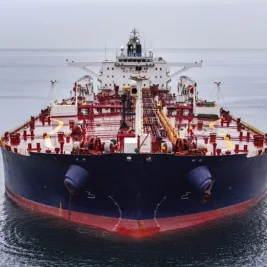
The current negotiations are complicated by disagreements over shipping management, as Washington seeks clarity on Iran's proposal to mandate tolls for commercial vessels in the Strait of Hormuz, while Western powers lean toward an alternative service fee framework proposed by Oman.
Tensions remain high over Iran's rejection of a recent Lebanon ceasefire deal and a lack of progress on nuclear program discussions, which were allotted a 60-day window from the initial June agreement.
Addressing external diplomatic pressure, Tehran issued a clear warning to European nations regarding maritime operations within the strategic waterway.
"Iran is better aware of its responsibilities than any other party and is capable of fulfilling them, and there is no need for the intervention of others.
Interventions that, even if made with good intentions, will in practice only complicate the situation," warned Esmail Baghaei, Iran's foreign ministry spokesman, at a press conference in Tehran.
Despite recent military exchanges over waterway control and ongoing disputes with the International Maritime Organization regarding new shipping routes, Iranian officials maintained that implementation friction was entirely expected given the prior geopolitical context.
"From the beginning when we entered this diplomatic process, no one imagined a smooth and unchallenged process.
Keep in mind that this diplomatic process began after two wars in less than a year … we expected to face challenges in the implementation phase," Baghaei said.
The commercial impact of the standoff remains substantial, with thousands of seafarers impacted since hostilities erupted on February 28.
Recent tracking data from maritime firm Kpler showed traffic through the strait rose to 40 ships on Monday, up from 24 the prior day.