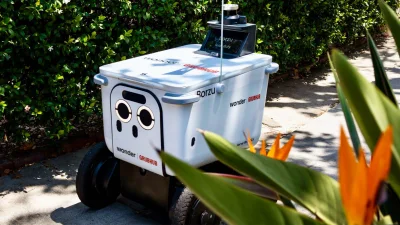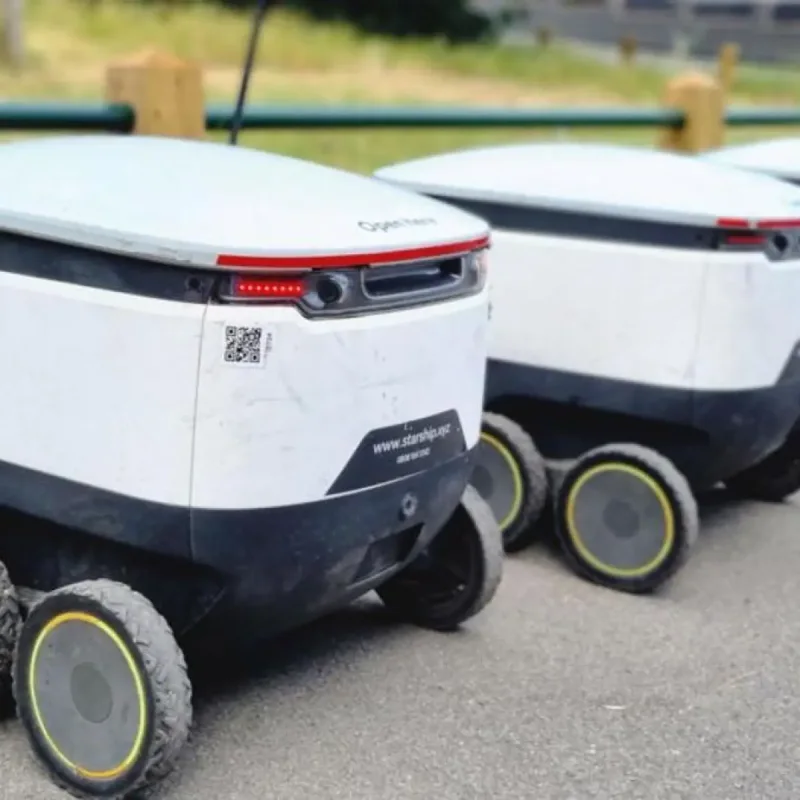
A pedestrian safety charity has called on the UK government to introduce national regulations for autonomous delivery devices operating on pavements across several towns and cities.
Living Streets launched a campaign on July 1, 2026, warning that the machines create clutter and pose risks to vulnerable pedestrians.
The charity argues that current sidewalks are too congested for wheelchair users, visually impaired individuals, and parents with prams.
Zak Viney, a representative from Living Streets, said the robots have been deployed without a uniform legal framework or local government oversight.
“Our pavements are for everyone, but for wheelchair users, those who are visually impaired, and parents pushing prams, we actually have quite cluttered pavements,” Viney said.
He added that the devices block pathways for some of the most vulnerable people in society.
Mixed Public Reactions in Leeds
Residents in Leeds expressed contrasting views about the sidewalk robots.
Marley, a local resident, said the machines often obstruct pedestrians, forcing people to move out of their way.
“You're the one who has to move,” Marley noted, also raising privacy concerns about onboard data collection.
Another resident, Oran, voiced strong opposition, describing the robots as “sinister” and questioning why they are allowed on footpaths.
However, some residents supported the technology. Isobel said the devices are polite and stop when encountering pedestrians or cars.
Ray, another local, said the robots “tootle along keeping out of the way” and stop if interrupted.
Government and Industry Response
Living Streets sent an open letter to Transport Secretary Heidi Alexander, requesting immediate legal intervention.
A Department for Transport spokesperson said the government welcomes innovation but prioritises pedestrian safety.
“It's vital the safety of pedestrians and vulnerable road users is put first,” the spokesperson stated, adding that legislative updates will follow public consultation.
Starship Technologies, the market leader with over two million UK deliveries since 2018, defended its service.
A company spokesperson said inclusive design is central to their engineering, and they work with disability charities to improve autonomous driving.
The company noted that 25% of regular customers report having a disability or living with someone who does.