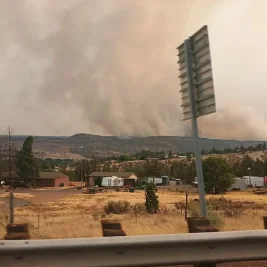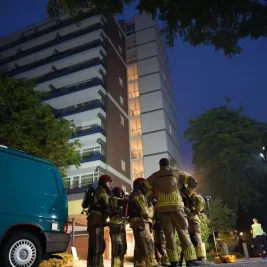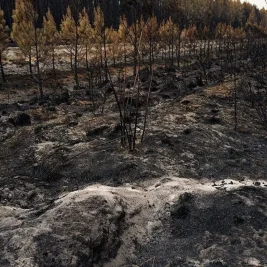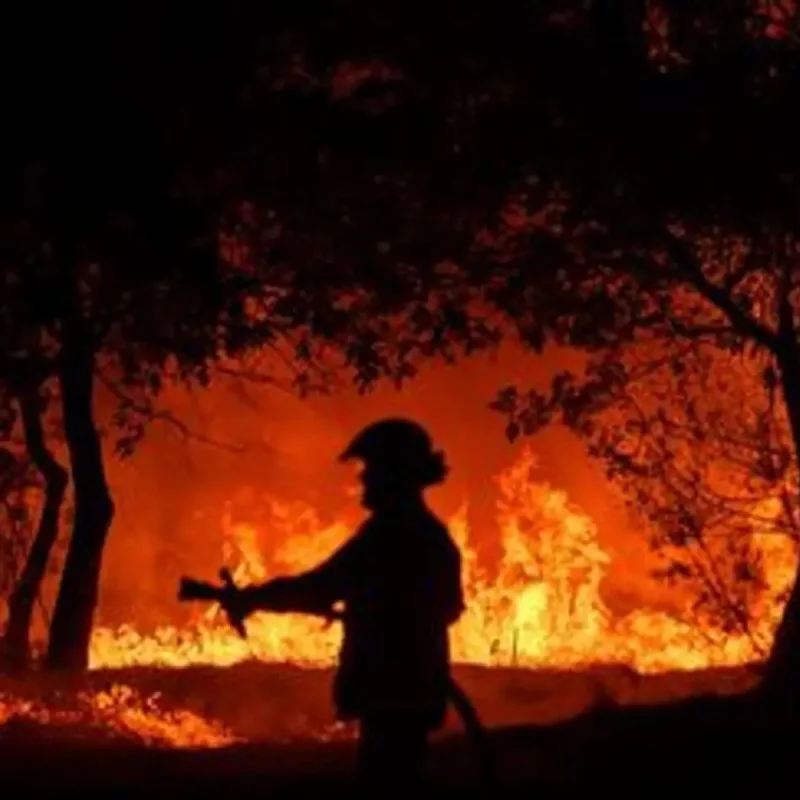
Early wildfires across southern France have severely strained emergency services as multiple departments face high fire risks following an exceptional heatwave, authorities announced on Thursday, July 2, 2026.
The Haute-Garonne department was placed under an orange high-risk alert on Thursday as temperatures are expected to climb back up to 37°C by Monday, July 6, following a massive fire that scorched nearly 800 hectares in the neighboring Aude department.
Meanwhile, the Alpes-Maritimes department faced a severe wildfire risk level for the first time this year, leading to the closure of the Estérel massif.
Wildfires occurring earlier in the season put "in difficulty and under strain the operational response," stated Eric Brocardi, spokesperson for the National Federation of Professional Firefighters.
According to Brocardi, reaching such a severe risk level so early in the summer serves as an alarming indicator for emergency preparedness.
"It is an extremely worrying signal," he said.
The spokesperson noted that rising temperatures and an increase in medical emergency calls are creating unprecedented operational pressure.
"Faced with rising temperatures, faced with these increasingly significant risks of forest fires, faced with an increase in operational tension linked to emergency relief missions to people, it is obvious that this puts a strain on the availability of volunteer firefighters as well as professional firefighters," Brocardi said.
Human Resources Under Pressure
Although local councils have heavily invested in purchasing new equipment, the federation maintains that human resources remain insufficient.
The region currently utilizes nearly 4,500 volunteer and professional firefighters to combat these threats.
The major issue now centers on how natural disasters overlap with periods when personnel are less available.
"The place that forest fire risks and natural risks increasingly take, outside periods of massive availability of volunteer and professional firefighters," Brocardi said.
Historically, French forest fires occurred mostly during July and August, but the window has widened significantly.
"They extend beyond this summer window which is generally combined with the greater availability," Brocardi noted.
The prolonged duration of these seasonal interventions actively depletes the energy and readiness of emergency workers.
"The kinetics of forest fire interventions are bound to be much longer, it wears out volunteering, it wears out the professional firefighter.
And so inevitably, we are today on a human challenge rather than on a material challenge," he said.
Météo-France indicated that Haute-Garonne will temporarily transition to a yellow moderate risk alert on Friday, July 3, before temperatures surge again over the weekend.