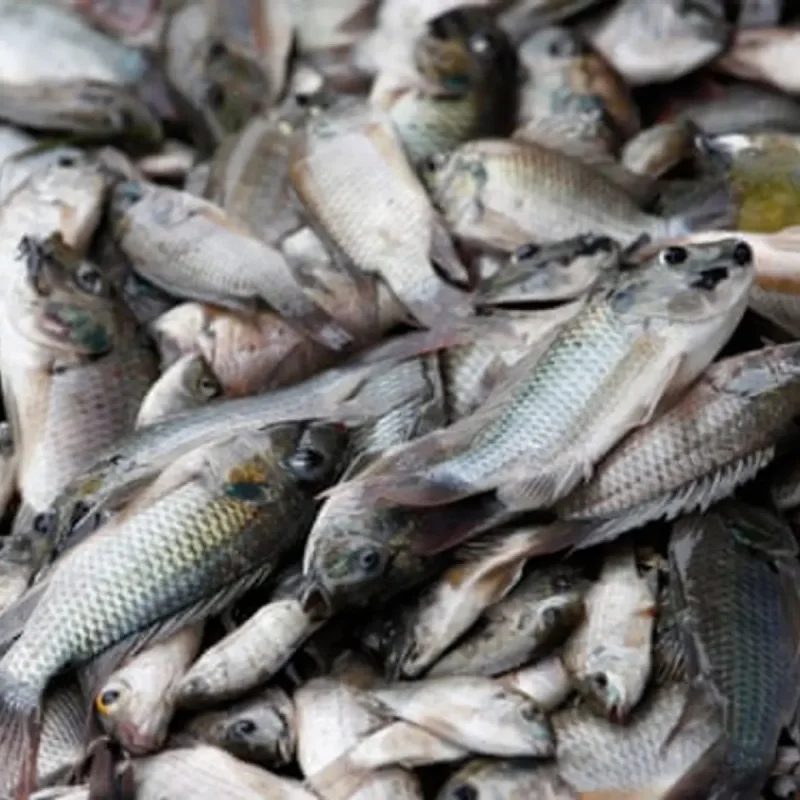
In Samut Prakan province, a seafood restaurant is offering free samples of blackchin tilapia to skeptical customers.
Chef and owner Adisorn Jamsuksaward says those who try it find it delicious, but admits it's unlikely to become a bestseller.
The blackchin tilapia, native to West Africa, was first recorded in Thailand in 2011 near Samut Songkhram.
Since then, it has spread to 19 provinces, threatening local ecosystems and shrimp farmers' livelihoods.
Ecological and Economic Impact
In Samut Songkhram, the invasive fish decimated local shrimp populations within months, forcing some farmers to abandon their traditional livelihoods.
Local fisher Wallop Khunjaen recalls, "They ate everything. They ate the shrimp, they even ate the crab."
Native species like the fiddler crab have become rare. The community's desperation is evident as the invasion spreads through canals and coastal waters.
Control Efforts and Challenges
Thai authorities have introduced Asian sea bass as predators and developed sterile blackchin tilapia populations. However, experts believe the situation is beyond recovery.
Thotsapol Chaianunporn, assistant professor at Khon Kaen University, states, "We have gone far beyond the point that we can return."
The species reproduces rapidly and adapts to both freshwater and brackish environments, making eradication nearly impossible.
Researchers are using advanced monitoring technologies like environmental DNA sampling, underwater facial recognition, and acoustic tracking.
Dean Jerry, distinguished professor at James Cook University, explains that water samples can reveal vital population data through "DNA soup" and meta-barcoding techniques.
Disputed Origins
A lawsuit has been filed against agribusiness giant Charoen Pokphand Foods Plc, alleging the company introduced the fish for research.
The company denies the claims, stating its facilities followed strict protocols. It points to independent research suggesting a single introduction event.
Future Concerns
The fish's courtship behavior, digging pits in sand, increases sedimentation and threatens benthic invertebrates and underwater plants.
Local markets struggle to sell the fish due to unfamiliarity and its unappealing appearance. Trader Tongta Samtia notes, "They don't know how to eat it."
Fisher Thanandon Charoenhiransaku highlights the scale: "When you cast the net three times, you can easily get 20 to 30kg of blackchin tilapia."
He fears the species could cross national borders if not controlled, calling it "a silent threat."