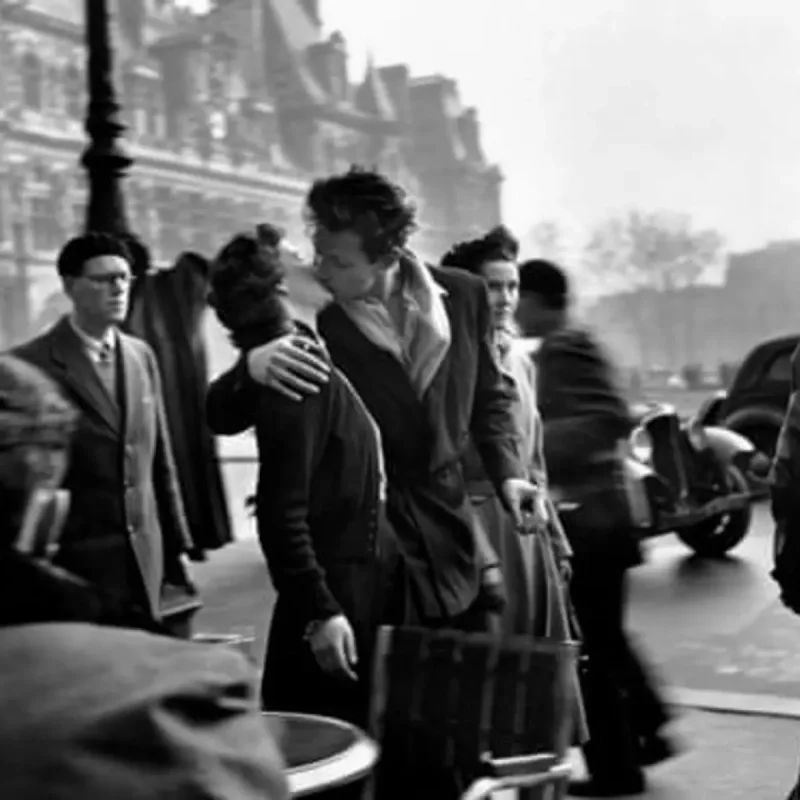
Katie Barclay's The Kiss traces the evolution of kissing from a formalized tool of diplomacy and political fealty to an intimate expression of romantic love.
The book successfully proves that a gesture modern society views as natural carries immense historical and political weight.
A Fascinating Evolution of Public and Private Gestures
Barclay begins in medieval Europe, where the osculum pacis (kiss of peace) was a standard legal and diplomatic ritual between powerful men.
This practice stemmed from medical beliefs that the breath carried the spirit, meaning a kiss allowed souls to mingle and equalize.
Class dynamics eventually shifted this tradition.
As the wealthy grew uncomfortable locking lips with servants, churches introduced the pax, a physical object passed around to be kissed instead.
Symbolic acts like the foot kiss served to venerate or humiliate. In 911, a Viking proxy grabbed a Frankish king's foot so violently it tipped him backward.
By the 18th century, daily social kissing began fading from English society, replaced by handshakes among men. Close male friendships, however, retained affectionate lip-kisses.
By the late 19th century, kissing became almost entirely relegated to the private realms of romance and sex.
The 20th century brought new public scrutiny, including a 1908 London school ban due to diphtheria and 1920s parental warnings from behaviorists like John Watson about the risks of motherly coddling.
Public anxieties also shaped media, leading to the 1934 Hays Code banning "excessive and lustful" kisses alongside interracial and same-sex pairings.
Later, 1970s gay civil rights activists used "kiss-ins" to reclaim public affection, a political potential that expanded during the misinformation era of the AIDS epidemic.
In the modern era, the book highlights how the debate has shifted entirely toward consent.
This is exemplified by the international outrage and subsequent sexual assault conviction of former Spanish football federation president Luis Rubiales after kissing captain Jenni Hermoso in 2023.
While the narrative style leans into academic prose in certain chapters, the book is richly illustrated and remains highly persuasive in its arguments.
It is an illuminating read best suited for history buffs, sociologists, and anyone interested in the cultural evolution of human behavior.