A marine conservation advocate is threatening legal action against the National Oceanic and Atmospheric Administration (NOAA) if the agency does not propose relisting the Pacific gray whale under the Endangered Species Act by next month.
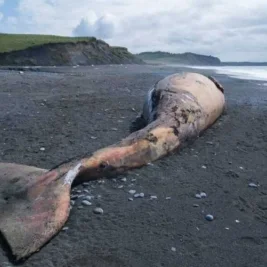
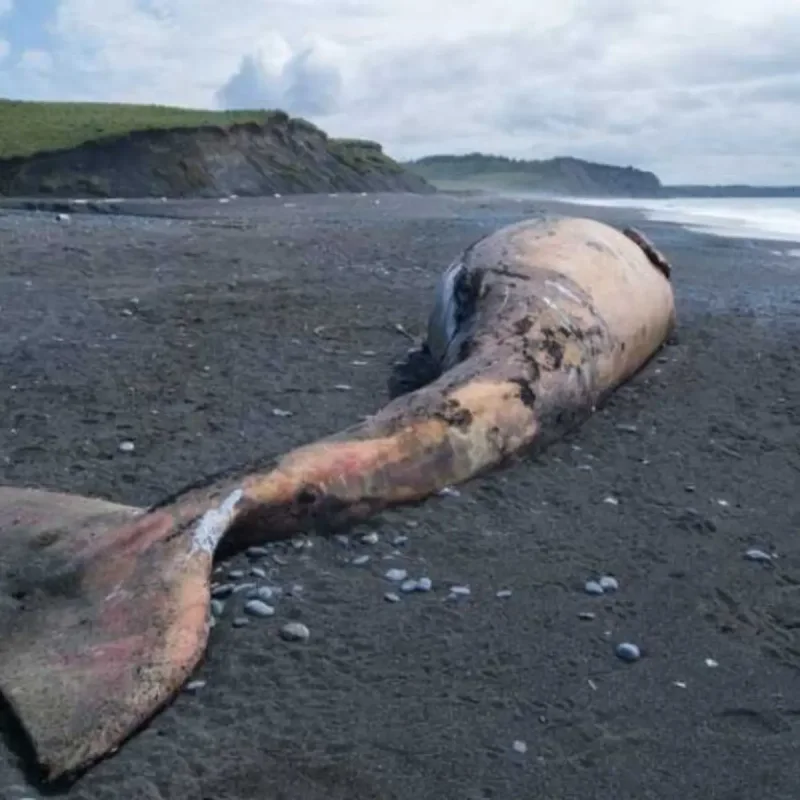
The threat follows continued high stranding rates along the Pacific Coast, with data from NOAA indicating that 145 gray whales have been found dead on beaches so far this year, including 13 in Alaska.
This comes after 179 strandings were documented last year, with 30 occurring in Alaska.
The current population of eastern North Pacific gray whales is estimated at approximately 13,000 individuals, a significant decline from a peak of about 27,000 a decade ago.
Petition for Relisting
Rick Steiner, a retired University of Alaska marine conservation professor, petitioned NOAA last August to relist the species, arguing that increased legal protections and recovery mechanisms are needed.
Steiner noted that beach strandings represent only a small fraction of total mortalities.
"There is a high mortality rate, and of course, the ones that wash ashore are only maybe 10% of the whales that are dying," he said.
Climate-driven reductions in Arctic sea ice have disrupted the marine food chain, forcing gray whales to alter their feeding habits and seek alternative food sources in coastal waters near Kodiak and Sitka.
"Switching from the benthic little bugs, the amphipods that live in the seabed sediment, to small fishes like Arctic cod up in the water column," Steiner explained.
To mitigate these environmental shifts, Steiner emphasized the need for regulatory intervention.
"The way to do that is to relist them on the Endangered Species Act, provide the management tools that NOAA needs in order to give these guys the best chance of making it through this climate bottleneck," he said.
NOAA Fisheries spokesperson Michael Milstein stated via email that the agency is reviewing the petition but has not set a specific timeline for a decision.
Milstein noted that the agency would require evidence of novel mortality factors before declaring another official "unusual mortality event," similar to the period between 2019 and 2023 when starvation and vessel strikes caused 690 strandings.
"At this point, elevated strandings have continued, but all indications are that the causes remain the same," Milstein said.