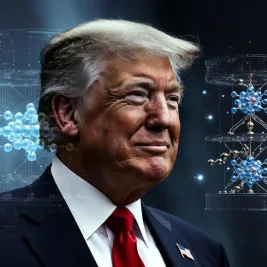
The Ankara summit has exposed deep vulnerabilities within NATO, as leaders managed to survive another high-stakes meeting with Donald Trump but face an uncertain future under his transactional approach.
Trump dominated the gathering with persistent criticism of the alliance, unconventional threats regarding Greenland, and trade disputes with Spain.
He also declared the Iran ceasefire dead while US warplanes conducted airstrikes along the Strait of Hormuz.
Russia's Potential Miscalculation
The critical question remains how Vladimir Putin interprets the tension between Trump's disruptive rhetoric and the official Ankara summit declaration.
The alliance officially vowed an ironclad commitment to collective defense under Article 5.
A significant risk emerges that Russia might focus more on political friction than on joint pronouncements of allied resolve.
This could lead to calculations that the US might not intervene during a sudden territorial grab against a Baltic ally.
The summit aimed to solidify plans for investing 5% of GDP into defense and infrastructure by 2035.
European allies and Canada announced substantial financial commitments for joint procurement projects, including air-to-air refueling tankers and precision missiles.
Uncertainty persists regarding the phrase "eliminate defense trade barriers among allies."
It remains unclear if this warns the EU against protectionist procurement or appeals to the US to ease technology transfer restrictions.
The defense sector introduced a new slogan of "a stronger Europe in a stronger NATO" alongside traditional burden-sharing discussions.
Despite this, European nations face ambiguity regarding the exact level of future American military backing.
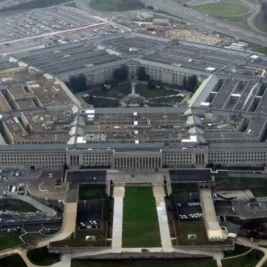
US Defense Secretary Pete Hegseth announced a six-month Pentagon review of troop presence in Europe.
The review implies that Washington could use troop withdrawals to penalize allies deemed deficient in defense spending or support.
A notable shift from the previous summit in The Hague was the US accepting a strong declaration of support for Ukraine.
This comes 16 months after Trump explicitly told Volodymyr Zelenskyy that he did not hold the necessary cards.
NATO officially altered its stance to recognize Ukraine's vital contribution to transatlantic security.
The alliance declared that allies stand united in unwavering support for Ukraine defending its freedom, sovereignty, and territorial integrity.
Mark Rutte and leading European allies received credit for shifting the US stance toward Kyiv.
The UK, France, and Germany consistently supported Zelenskyy against efforts to force an unfair ceasefire deal that rewards Russian territorial aggression.
Ukraine achieved a significant breakthrough by securing a promise from Trump to build Patriot missile interceptors under license.
Nevertheless, allies remain cautious about sudden diplomatic shifts from the White House during future negotiations.
The alliance concluded the gathering without finalizing the time or location for their next meeting.
The summit ended with a symbolic gift from Turkish President Recep Tayyip Erdogan, who presented allied leaders with customized engraved revolvers and live ammunition.