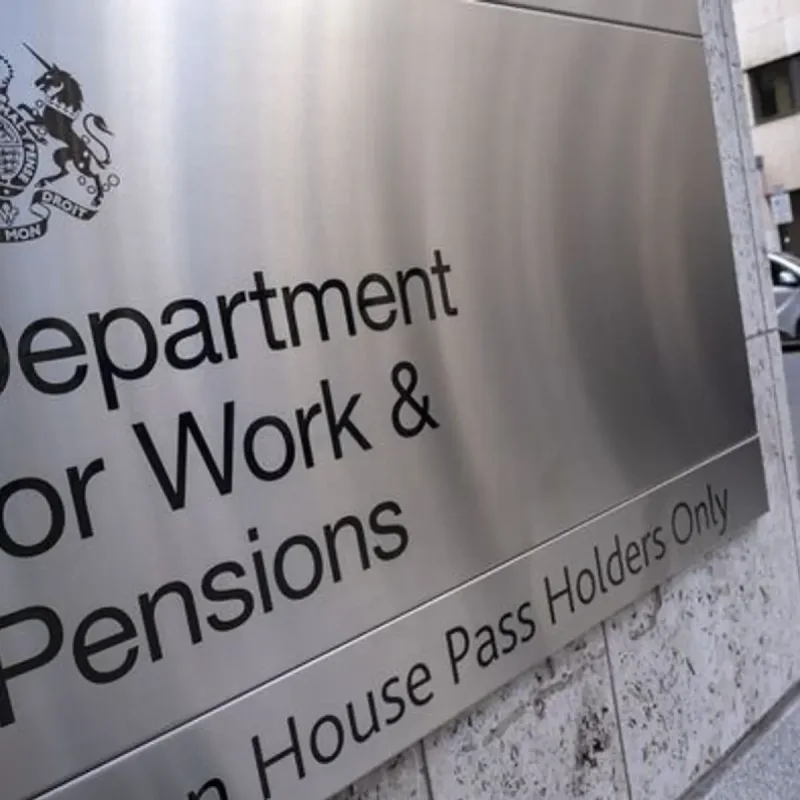
More than 150,000 long-term disability benefit claimants in England and Wales face mandatory reassessments as the Department for Work and Pensions resumes transferring remaining adult Disability Living Allowance recipients onto Personal Independence Payment.
The department temporarily halted the final phase of the transition in 2020 following the outbreak of the Covid-19 pandemic.
An initial small-scale test involving roughly 3,000 randomly selected cases is scheduled to begin in September before officials determine whether to execute a broader nationwide rollout.
Transition Process and Deadlines
Adult claimants currently receiving Disability Living Allowance will receive formal letters instructing them to apply for Personal Independence Payment within 28 days.
Individuals who fail to submit their applications within the required timeframe risk having their existing benefit payments terminated completely.
Although Disability Living Allowance was replaced for working-age adults in 2013, approximately 153,000 adult recipients remain on the older framework.
Most of these claimants previously held lifetime awards, which had exempted them from ongoing medical evaluations.
Under the restart, claimants will be assessed under Personal Independence Payment criteria, requiring them to complete new application forms and participate in health assessments.
Existing payments will continue while claims are considered, provided deadlines are met.
Personal Independence Payment is worth between £30.30 and £194.60 per week depending on assessed daily living and mobility needs.
The initiative will not affect claimants in Scotland, where adult disability benefits are managed separately by Social Security Scotland.
The Department for Work and Pensions has already completed about 1.9 million transfers since introducing the new payment structure.
Concerns and Recommendations
Concerns regarding the reassessment framework were detailed by disability minister Sir Stephen Timms in an interim report examining the evaluation process.
Official review findings highlighted that applicants are frequently required to share intimate details with health assessors, only to feel these details are subsequently misrepresented or dismissed.
Comprehensive structural recommendations from the review team are expected in the autumn, though the initial September transfer pilot will proceed ahead of those policy implementations.
Charity representatives warned against placing financial strains on vulnerable households during the administrative transition.
"The DWP needs to make sure they don't penalise disabled people whose extra costs are only likely to rise," said James Taylor, director of strategy at disability equality charity Scope.
Advocates emphasized that disabled individuals require an assessment structure that accommodates their ongoing financial and health challenges.
"Disabled people know that the current system for PIP is not working and too many have to endure assessments that feel dehumanising and confrontational," said Taylor.
Government officials stated that the preliminary trial phase will inform subsequent support measures before full operations resume.
"The transfer of adult DLA claimants to PIP has been paused since 2020.
A reassessment only occurs if a recipient reaches 16, reports a change in circumstance or voluntarily claims PIP," said a DWP spokesperson.
Department representatives noted that data gathered from the initial case sample will guide future implementation strategy.
"We are reviewing a random sample of 3,000 cases, and the findings will help determine any additional support needed when active transfer resumes," said the spokesperson.