German state-controlled energy group Uniper finalized a binding 20-year liquefied natural gas supply agreement on July 29, 2026, with Canada's Ksi Lisims LNG project.
The deal secures two million tonnes of fuel annually starting in 2032.
Project Details and Strategic Importance
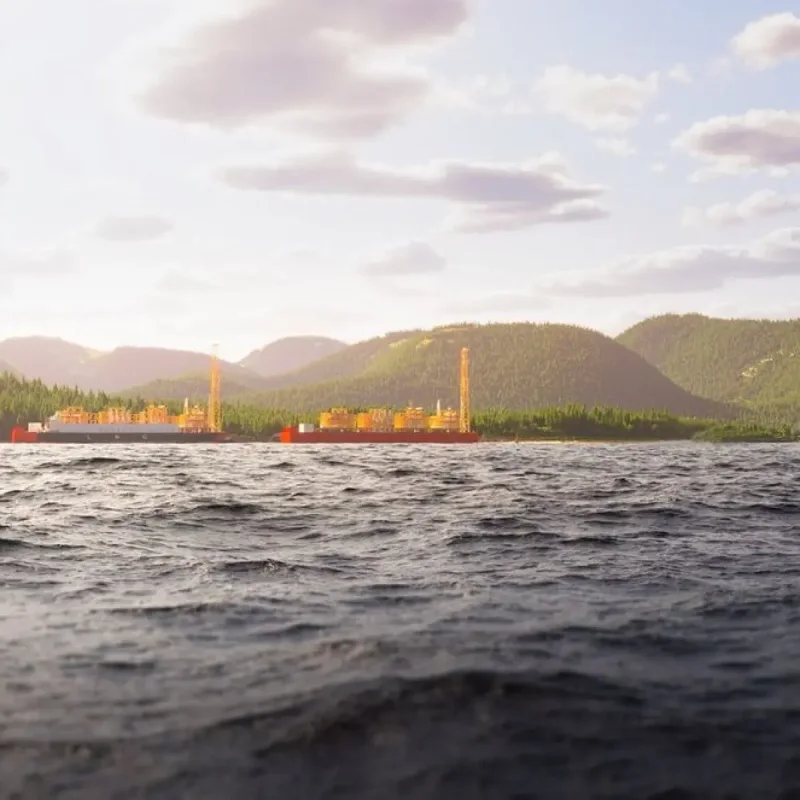
The $30-billion project is located in northwestern British Columbia. It marks Ottawa's first long-term binding supply contract with a European utility.
Shipments will supply customers across Germany, Sweden, the Netherlands, and the United Kingdom. The agreement helps diversify European energy supplies away from Russian and U.
S. sources.
The transaction builds upon initial frameworks reached in June and follows another agreement inked in May by German state-owned importer SEFE.
Gas liquefaction at the terminal will rely on hydroelectric power to maintain net-zero operational targets on Nisga'a Nation land near the Alaska border.
Uniper representatives emphasized that the contract provides flexible delivery options to enhance overall market stability.
"The ultimate destination of these volumes will depend on free market conditions and regulation," said Mike Newman, Uniper's senior managing director for North American gas trading.
Newman highlighted the strategic importance of the supply during period shortages across the continent.
"Should Europe face another supply crisis, these Canadian volumes could play an important role in supporting security of supply in Germany and across Europe," he added.
"It diversifies Uniper's global LNG portfolio and strengthens the resilience of Europe's energy system in an increasingly uncertain world," Newman said.
Environmental Opposition
Environmental groups voiced strong opposition following the official announcement. Richard Brooks, climate finance director with Stand.
earth, called it "a major step backwards for climate action."
Brooks criticized the political momentum driving fossil fuel infrastructure development despite climate challenges.
"Moving forward with a massive new methane gas project as devastating wildfires rage across Canada and Europe is irresponsible and an abdication of leadership," he said.
He expressed further ethical concerns regarding extreme heat trends.
"Morally, it's a slap in the face to all of us who are impacted by deadly heatwaves and smoke," Brooks added.
Regional Leadership Response
British Columbia Premier David Eby addressed questions regarding local community concerns and environmental consultations in Prince Rupert.
"One of the key communications we've made to the project proponents – the Nisga'a First Nations and their partners – is that they have work to do with other nations and with local communities, just like any other project proponents," Eby said.
Eby stressed the necessity of collaborative engagement given the vast scope of infrastructure development.
"When you're talking about a project that runs into the tens of billions of dollars, that involves a significant new pipeline, there will be impacts, and so working with nations, working with local communities to mitigate those impacts, to reduce those impacts, to address long standing issues is just part of how we get things done in British Columbia," he added.