The iconic Kwaku Festival in Amsterdam-Zuidoost will hold its final edition in its current format, as announced by organizers on July 25, 2026.
After more than five decades, the multi-week summer event has been a cultural cornerstone for the Surinamese community and the wider diaspora, bringing people together through food, music, and sports in the Bijlmer district.
Soaring operational costs and increasingly strict municipal regulations have made the long-standing structure unsustainable, reflecting financial pressures affecting small festivals across the Netherlands.
Emotional Responses and Reflections
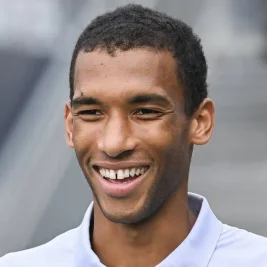
Media personality Prem Radhakishun, who identifies as Surinamese-Hindustani Dutchman, addressed the sudden shift during a radio appearance.
The news triggered emotional reactions from longtime attendees, local entrepreneurs, and artists who launched their careers on the festival's stages.
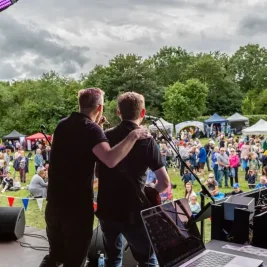
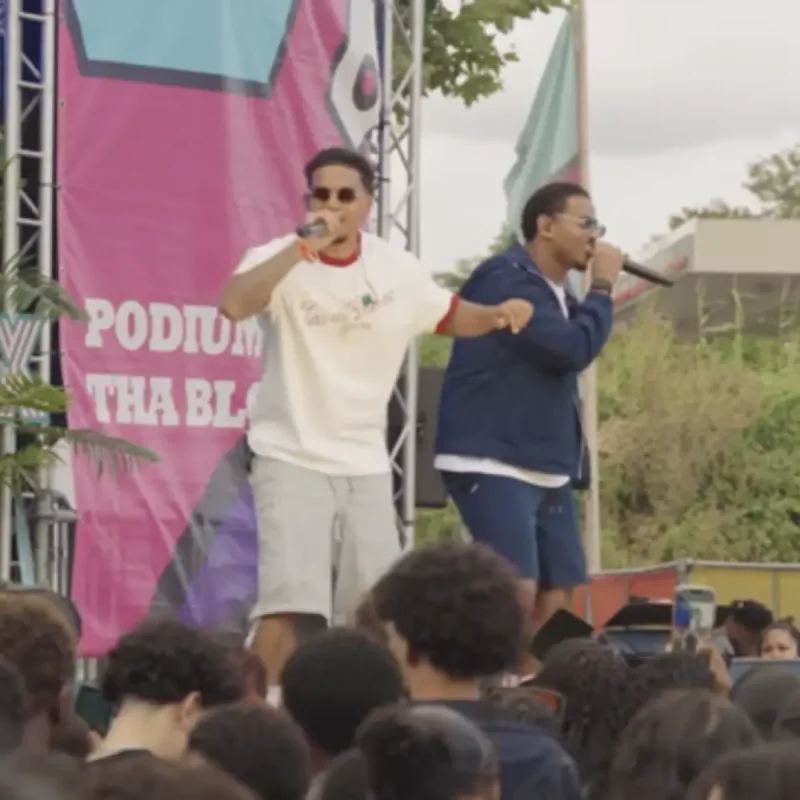
Musical duo Kleine John and Chavanté recalled how the gathering was a vital networking space for emerging artists and youth from social media.
"The first time I saw Kleine John and then we were just chilling here," said Chavanté, recording artist.
"Kwaku was the event for us that you had to be at. If you didn't go, you always missed something."
Local performers noted that the platform consistently offered early exposure before artists moved to larger mainstage performances in later years.
"Every year I see artists who stand on the main stage a year later. Especially this year, many emerging artists get a chance," Chavanté added.
Other performers who grew up attending as visitors expressed gratitude for transitioning from spectators to featured acts.
"I used to come here as a visitor, so it is nice that we were allowed to perform here ourselves now," said Siggy, recording artist.
Cultural representatives emphasized that the event is more than just music programming; it serves as a crucial annual gathering space.
"I think it's a shame, because it really brings the community in Amsterdam-Zuidoost together," said an anonymous visitor.
Community leaders and titleholders hope that future iterations or alternative structures might preserve the festival's legacy.
"I hope they try to make it continue anyway," said Miss Keti Koti 2026.
Whether the gathering will disappear entirely or return next year in a restructured format remains undecided as organizers evaluate future possibilities.